Gimhae Airport by light rail and subway
From Gimhae International Airport (PUS), take the Busan-Gimhae Light Rail to Sasang, then subway Line 2 toward Seomyeon and Haeundae.
Korea's second city, where beaches, a busy port and hillside villages meet the sea. Enjoy Haeundae and Gwangalli beaches, bridge night views and market food, and reach it easily by high-speed KTX train from Seoul or by air.
We never take payment — compare, then book on the official partner site.
May-June and September-October are mild and clear, the best times to visit. July-August is peak beach season, crowded, with rainy spells and possible typhoons. Winter is milder than Seoul, but sea winds are cold. Hotels fill quickly during big festivals.
From Gimhae International Airport (PUS), take the Busan-Gimhae Light Rail to Sasang, then subway Line 2 toward Seomyeon and Haeundae.
Airport limousines run two routes, Haeundae–Gijang and Seomyeon–Bujeon; check official information for stops, times and booking. Taxis are easiest with luggage.
From Seoul Station, the KTX high-speed train arrives at central Busan Station, near Nampo-dong and connected to subway Line 1. From Incheon Airport, first get to Seoul Station.
One card covers the subway, buses and light rail. Buy and top up at convenience stores; cards from other Korean cities work too.
Lines 1-4 link Seomyeon, Haeundae, Nampo-dong and more. Haeundae and Nampo-dong are far apart, so allow time.
Handy for places the subway doesn't reach, such as Gamcheon Culture Village and Taejongdae. Use a map app to find routes.
Easiest for hillside villages and late nights. Korean map apps (such as Naver Map or KakaoMap) give better directions in Korea than international map apps.
A sightseeing bus linking Haeundae, Taejongdae and other highlights; check official information for routes and times.
Good for: Beach, first visit, hotels
High-rise hotels and restaurants right on the beach. Very busy and pricier in summer.
Good for: Night views, beach cafes
A beach facing the illuminated Gwangan Bridge, a little quieter than Haeundae.
Good for: Transport hub, food
The downtown hub where subway Lines 1 and 2 meet, with late-night food everywhere.
Good for: Markets, old downtown
Close to Jagalchi and Gukje markets and not far from Busan Station; a good base for Gamcheon and Taejongdae.
Compare prices from many booking sites on the map
Search stays in Busan in the appMap & prices: Stay22 — you book on each site
Busan's most famous beach with a long promenade. Swim only in lifeguarded areas during the official season.
Best after dark when the bridge lights up, with cafes and restaurants along the sand.
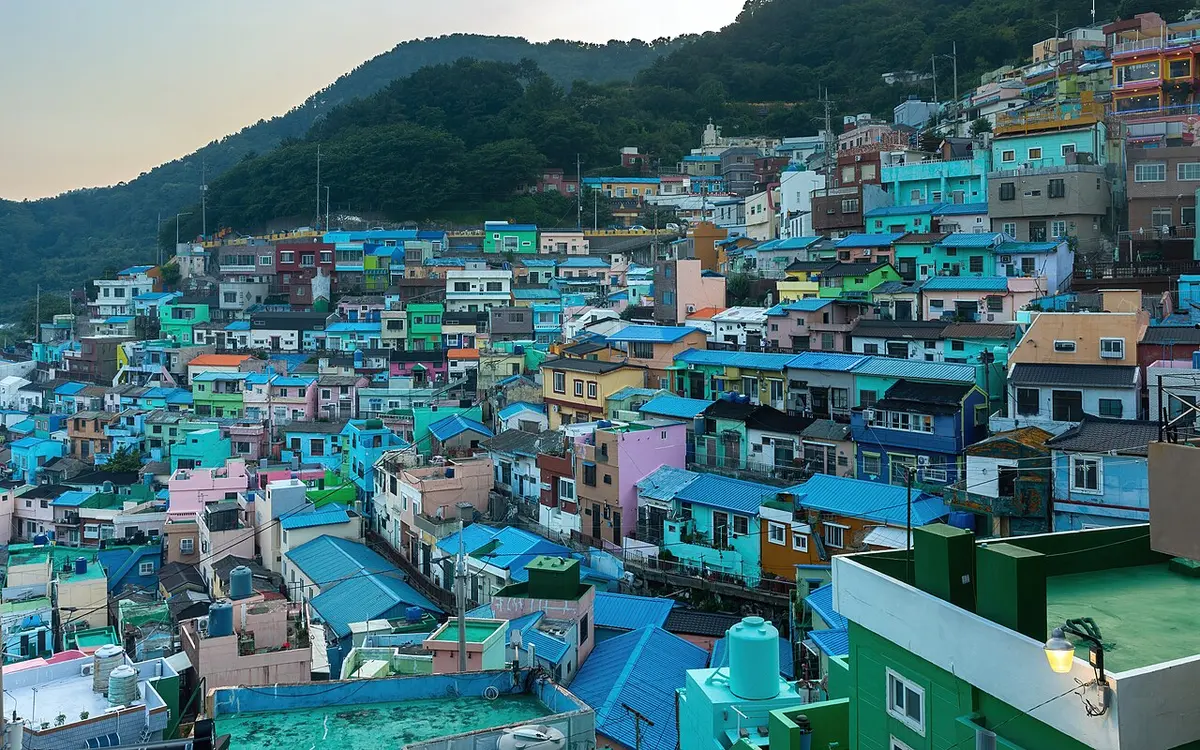
Colorful houses stacked up a hillside. People live here, so keep your voice down.
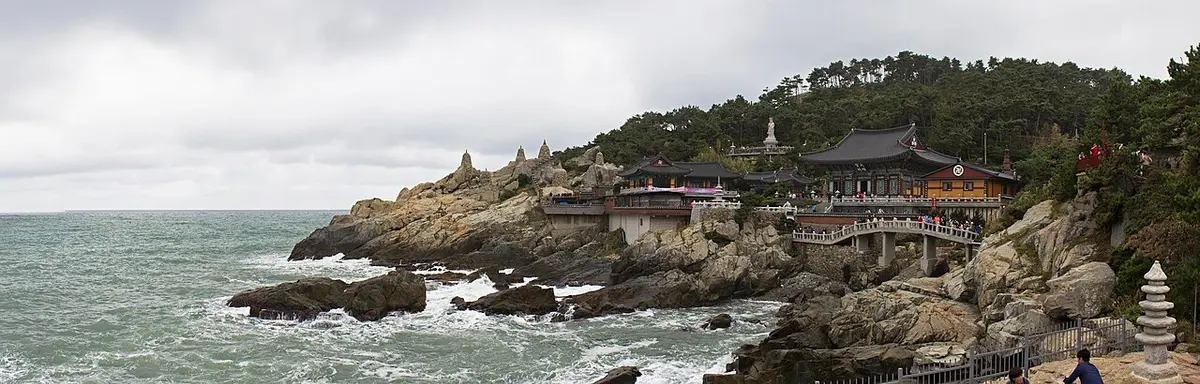
A temple built on seaside rocks, unusual in Korea. It's on the city's eastern edge, reached by bus or taxi from Haeundae.
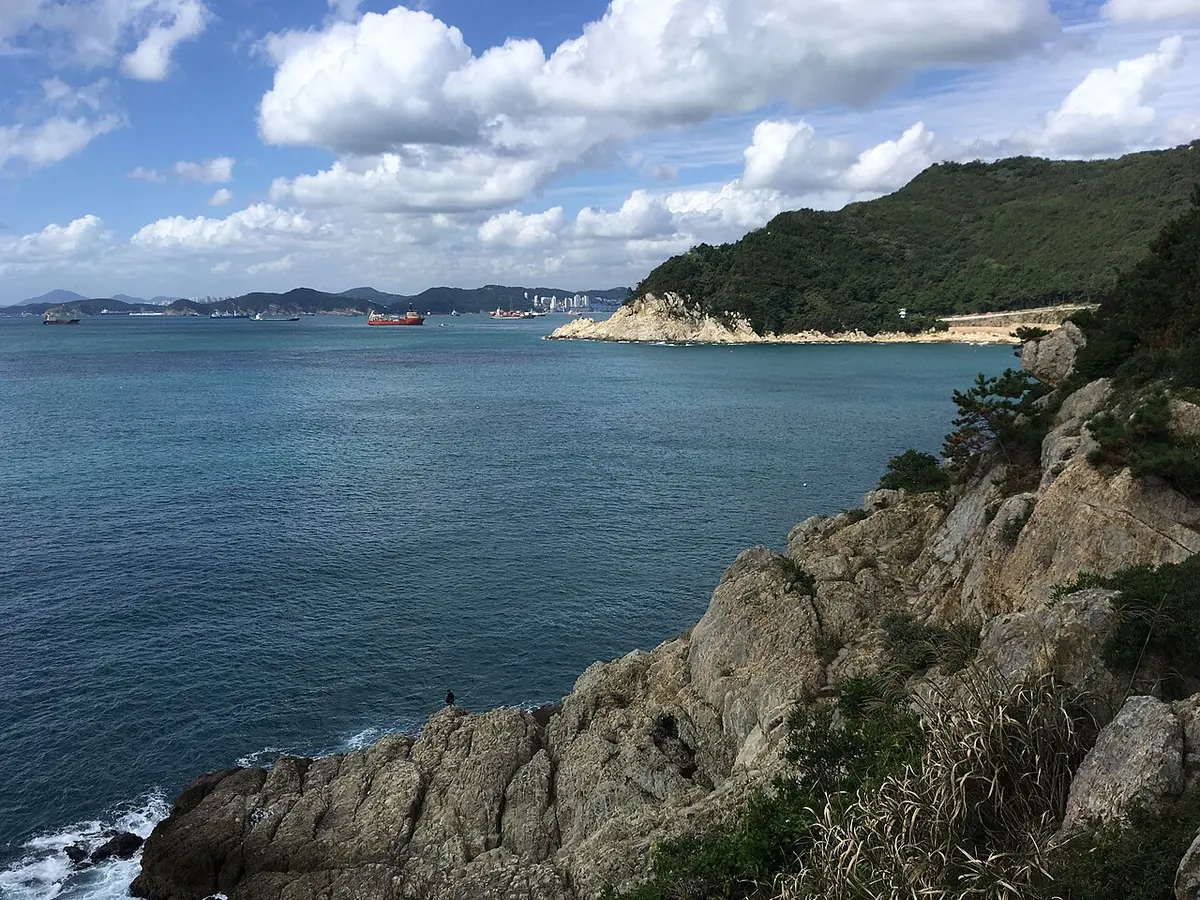
A clifftop park at the tip of Yeongdo island with walking trails and viewpoints. Check official information for the park's road train.
Korea's largest seafood market. Choose seafood downstairs and have it prepared upstairs; confirm prices first.
Old market lanes and street food, great for trying ssiat hotteok, a seed-filled sweet pancake.
A narrow clifftop village on Yeongdo with sea views. It's a residential area, so walk quietly.
Rice in rich pork-bone soup, Busan's signature dish. About 9,000-12,000 won.
Busan-style cold wheat noodles in chilled broth. About 8,000-11,000 won.
A sweet pancake stuffed with nuts and seeds. About 2,000-3,000 won.
Busan is famous for fish cakes; try skewers with hot broth at a market stall.
Best at Jagalchi or seaside restaurants. Many places charge market price, so check before ordering.
Amounts are rough figures in local currency. Check exchange rates before you go.
Arrive and walk Haeundae Beach, visit Haedong Yonggungsa in the afternoon, then Gwangan Bridge at night from Gwangalli.
Gamcheon Culture Village in the morning, a seafood lunch at Jagalchi, Gukje Market and BIFF Square, then Huinnyeoul Culture Village.
A morning walk at Taejongdae, dwaeji gukbap or milmyeon for lunch, then Busan Station or the airport.
 TipsPlanning a year-end or winter-break trip — where to go and what to do firstDecember to February is peak season for year-end and school-break travel, so earlier…
 ComparisonWhere to travel in November — cities with good weather and places to think twice aboutNovember mixes crisp autumn cities with the start of the dry season on some Southeast…
 TipsBaggage Weight and Carry-on Rules at a Glance: Liquids, Power Banks and Excess FeesBag allowances depend on your airline and fare. Where to check them, the near-universal…
 SafetyLost or Stolen Phone Abroad: What to Do, Step by StepLosing your phone abroad cuts off maps, payments and log-ins at once. Locate and lock…
Prices and times are approximate as of 2026-09 and may change. Always re-check visa and entry rules with official sources before you travel.