Tips
Planning a year-end or winter-break trip — where to go and what to do first
December to February is peak season for year-end and school-break travel, so earlier planning pays off. Here's where the weather is good, where gets busy, and what to check before you go.
Published · Updated
Year-end and winter break are peak season
Late December to February combines year-end holidays and school breaks, so demand for flights and stays surges. Many city guides note that fares and room rates rise sharply at holidays, school breaks and year-end.
So when you book matters as much as where you go. If your dates are set, compare flights and stays early and check cancellation terms. School break and public holiday dates change each year — check official calendars.
A warm winter — dry-season Southeast Asia and islands
Bangkok and Chiang Mai are usually coolest and driest in November-February. On the Andaman coast, Phuket and Krabi have calm seas in the November-April dry season, and December is high season, so book early.
Cebu, Bohol and Boracay in the Philippines are usually good in the December-May dry season. Phu Quoc is good in its November-April dry season, and Ho Chi Minh City is less hot in December-February. Guam and Saipan enter their dry season around December. In Malaysia, Penang and Langkawi sit on the peninsula's west coast, which differs from the east coast that gets heavy rain in the November-March northeast monsoon; check the local weather service before you go.
- Short-haul family beach breaks → Guam, Saipan, Cebu
- City and night markets → Bangkok
- Island-hopping seas → Phuket, Krabi, Bohol
- Sunsets and resorts → Boracay, Phu Quoc
Rainy in winter — keep plans flexible
Some Southeast Asian spots are wet in winter. Koh Samui on the Gulf of Thailand is usually wettest in September-December, and Vietnam's Da Nang and Nha Trang stay in the rainy season into December. Da Nang's dry season starts around March.
Bali's wet season usually runs November-March, so December-February is often rainy, and Singapore sees frequent showers in November-January (the northeast monsoon usually runs December to early March). If you go, plan some indoor options and schedule boat trips on flexible days.
Embrace winter — snow and seasonal food
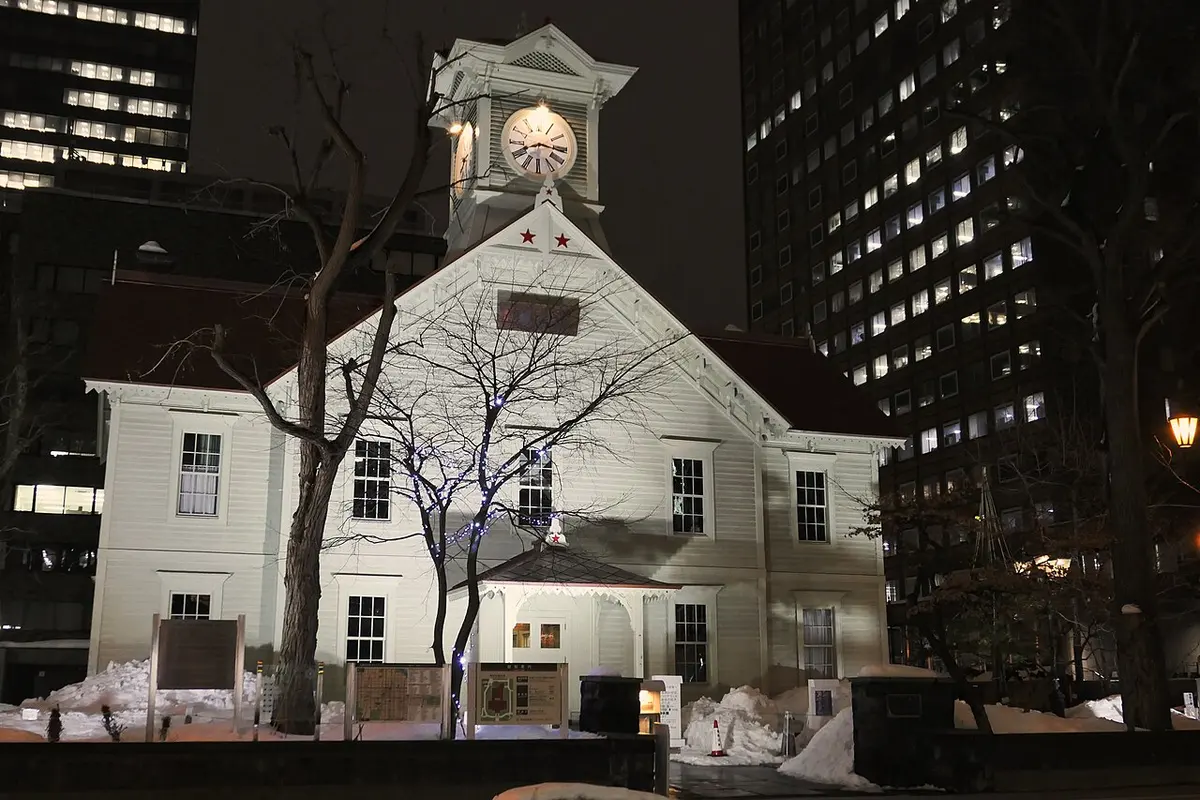
Sapporo is popular in December-February for snowy scenery and winter festivals, but prepare for sub-zero cold and icy streets with non-slip shoes and warm layers. Kanazawa gets frequent snow, with snowy views and winter seafood.
Hiroshima's oyster season runs roughly November-February. Kyoto is cold in winter but relatively quiet. Around Japan's New Year period it's busy and pricier, and some places close — check opening days.
Southern summer and festive cities
December-February is summer in Australia. Sydney is in beach season and busy over the holidays. The Gold Coast is hot with frequent afternoon showers and busy school holidays, and Melbourne can have heatwave days.
For festive atmosphere, London has short, grey days but Christmas markets and lights, and New York is full of holiday spirit from Thanksgiving to New Year, though hotel demand peaks. Paris is often cold and grey.
Pre-departure checklist
In peak season, late planning means fewer options. Checking in this order helps you miss less.
- Passport validity — remaining-validity rules differ by country. Check children's passports early too.
- Entry procedures — confirm visas, electronic travel authorizations and online arrival cards with each government's official information.
- Flights and stays — compare early and check change and refund terms for weather cancellations.
- Travel insurance — with children, look at medical and flight-delay coverage.
- Packing — if it's winter where you start, pack your travel-day coat separately from summer clothes.
- Data and payments — set up an eSIM or roaming and a card that works abroad.
Ways to spend less in peak season
In peak season, prices for the same destination vary widely by date and airport. If you can shift your departure by a day or two, compare the cheapest fares by date. Where a city has several airports, changing the airport pair alone widens your options.
For beach destinations, you can sometimes fly into another nearby airport and continue by boat or road — Boracay, for example, can be reached via Kalibo or Caticlan. Compare the total including transfer time and cost.
Many travelers book a stay with free cancellation first, then compare again once plans are fixed. Before paying, make sure the total includes taxes, service charges and any resort fees.
Check Lunar New Year and holiday crowds
Around Lunar New Year in January-February, many guides note that shops close and sights and transport get crowded in Taiwan, Hong Kong, China, Vietnam and elsewhere. The date changes each year — check official calendars.
Winter snow in the north and heavy rain in parts of Southeast Asia can delay or cancel flights. Avoiding important plans the day after you return makes things easier.
Services mentioned in this article
Affiliate links. You book on each company’s official site — OneWorld never takes payment.
FAQ
Where's good for a short family trip in winter break?
Places with shorter flights that enter the dry season around December, such as Guam, Saipan and Cebu, are popular. Fares and rates rise sharply during school breaks, so compare early.
Where in Southeast Asia is drier at year-end?
Bangkok and Chiang Mai (Nov-Feb), Phuket and Krabi (Nov-Apr) and Phu Quoc (Nov-Apr) are usually in their dry season. Koh Samui, Da Nang and Nha Trang are rainy until year-end, and Bali is in its November-March wet season.
Where do I check holiday dates?
Public holidays, school breaks and Lunar New Year change each year. Check each government's or school's official calendar.
Are places closed in Japan in winter?
Around New Year some shops and facilities may close, and rates rise. Check opening days for the places you plan to visit.
What's Australia like at year-end?
December-February is summer and beach season. Sydney is busy over the holidays, and the Gold Coast gets busy with school holidays.
Related reading
 ComparisonWhere to travel in November — cities with good weather and places to think twice aboutNovember mixes crisp autumn cities with the start of the dry season on some Southeast…
 TipsTraveling Southeast Asia in the Rainy Season: When It Rains Where, and What to PackRainy seasons differ by country and even by coast. Here's when it rains in Bangkok,…
 TipsBaggage Weight and Carry-on Rules at a Glance: Liquids, Power Banks and Excess FeesBag allowances depend on your airline and fare. Where to check them, the near-universal…