Tips
Traveling Southeast Asia in the Rainy Season: When It Rains Where, and What to Pack
Rainy seasons differ by country and even by coast. Here's when it rains in Bangkok, Phuket, Da Nang, Ho Chi Minh City, Cebu, Manila and Singapore, plus pros and cons, packing and sea safety.
Published · Updated
Rainy season rarely means rain all day
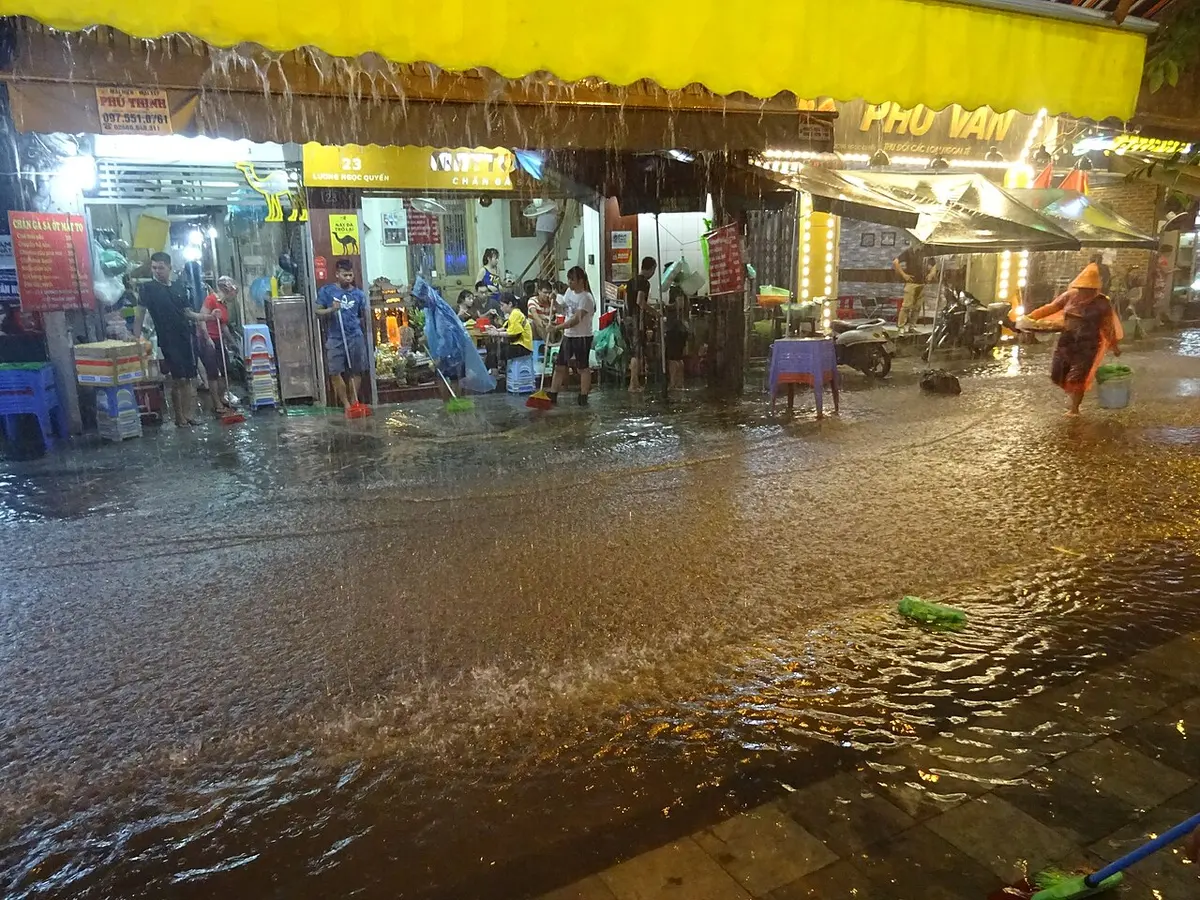
In much of Southeast Asia, the wet season brings short, intense downpours in the afternoon or evening that clear quickly, rather than days of steady rain. Plan outdoor activities in the morning and the rainy season is often easier than people expect.
There are exceptions. Typhoons and multi-day heavy rain can cancel flights and ferries and flood roads. The key is simple: it's usually fine, but build flexibility into your plans.
There's no single "Southeast Asian rainy season"
Seasons vary within the same country. Vietnam is the classic example: Ho Chi Minh City in the south is wet from May to November, while Da Nang in the center is wet from September to December, with heavy rain and typhoons most likely in October and November. That's why Da Nang is a popular summer beach destination.
In Thailand, Phuket on the Andaman Sea gets big waves from May to October, while the islands on the Gulf side tend to be wetter from autumn into early winter. Check the weather for the region you're visiting, not just the country.
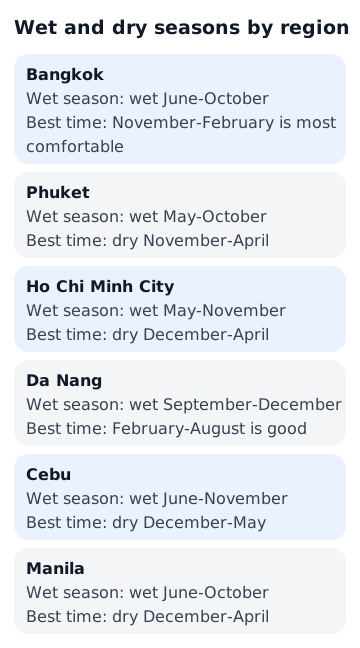
- Bangkok: wet June-October with afternoon storms (November-February is most comfortable)
- Phuket: wet May-October with big west-coast waves (dry November-April)
- Ho Chi Minh City: wet May-November, showers clear quickly (dry December-April)
- Da Nang: wet September-December, heavy rain and typhoons in October-November (February-August is good)
- Cebu: wet June-November, typhoons can stop boats in September-November (dry December-May)
- Manila: wet June-October with typhoon and flood risk (dry December-April)
- Singapore: rain year-round, more frequent showers in the November-January monsoon
Pros and cons of rainy-season travel
The wet season is usually low season, so flights and hotels are cheaper and sights less crowded. Landscapes are lush, and some days feel a little cooler after the rain.
Sea activities are hit hardest. Island tours, snorkeling and diving can be cancelled or have poor visibility, and typhoons ground boats and flights. If a beach holiday is the main goal, pick the dry season.
Planning around the rain
Rain tends to come in the afternoon, so schedule island trips and outdoor sights in the morning and keep afternoons for malls, museums or massages.
Book boat tours early in your trip so you can rebook if one is cancelled. Avoid island hops or ferries on the day before your flight home.
What to pack
A light rain jacket or poncho usually beats an umbrella, since downpours often come with wind.
- Light poncho or compact umbrella
- Waterproof pouch for your phone and passport, plus a small dry bag
- Quick-drying sandals with good grip
- Mosquito repellent (mosquitoes increase in the wet season)
- Sunscreen (UV is strong even on cloudy days)
- Spare clothes and a plastic bag for wet items
Sea safety and cancellations
Waves build in the wet season and rip currents become more common. Always check beach flags and stay out of the water under a red flag. Choose boat operators with life jackets, and don't go out in bad weather.
If a typhoon is forecast, watch for messages from your airline and hotel. Read your travel insurance terms on flight delays and trip changes before you leave, as coverage varies between policies.
FAQ
Is it okay to visit Southeast Asia in the rainy season?
For city sightseeing, usually yes: plan outdoor activities in the morning to avoid afternoon storms. If beaches and island tours are the goal, choose that region's dry season.
Where's good for a beach trip in July or August?
It depends on the region; central Vietnam around Da Nang is relatively dry from June to August and popular in summer. Always check the latest local forecast before you go.
What if a typhoon hits during my trip?
Keep an eye on airline and hotel updates, and postpone ferries and island hops. Rebooking and extra hotel costs depend on your airline and your travel insurance terms.
Is the rainy season really cheaper?
In most places it's low season, so hotels and flights cost less, though prices can still rise around major holidays in your home country.
Related reading
 TipsPlanning a year-end or winter-break trip — where to go and what to do firstDecember to February is peak season for year-end and school-break travel, so earlier…
 TipsBaggage Weight and Carry-on Rules at a Glance: Liquids, Power Banks and Excess FeesBag allowances depend on your airline and fare. Where to check them, the near-universal…
 TipsFlying Abroad from Busan Gimhae Airport: Getting There, When to Arrive, Parking and Departure StepsHow to reach Gimhae International Airport's international terminal, how early to arrive,…