Comparison · Canada
Toronto vs Vancouver: Which Should You Choose for a First Trip to Canada?
Lakeside Toronto or Vancouver between sea and mountains? We compare airport transfers, trip length and budget, the same months' weather and what you'll do.

Published
The short answer
Toronto is Canada's largest city, on the shore of Lake Ontario. Its draws are the skyline crowned by the CN Tower, neighborhoods shaped by cultures from around the world, major museums and a public market over 200 years old, and you can day-trip to Niagara Falls. If city culture, museums and markets are your thing, Toronto fits well.
Vancouver is a Pacific coast city in western Canada where sea, snowy peaks and rainforest sit right next to downtown. Loop a park on the seaside path, cross a canyon suspension bridge, take in mountain views, then day-trip to Whistler or Victoria. If time outdoors comes first, Vancouver fits well.
Both guides suggest 4 to 5 days and give the same daily budgets, so it's easier to choose by what you want to do and when you'll go than by cost.
From the airport to the city, and getting around
At Toronto Pearson International Airport (YYZ), the UP Express runs from Pearson Station at Terminal 1 to Union Station downtown in about 28 minutes. Trains run every 15 minutes, and buses sometimes replace them during construction, so check official notices. To save money, take the TTC 900 Airport Express bus to Kipling Station on subway Line 2 and continue on the subway on a single TTC fare.
At Vancouver International Airport (YVR), the Canada Line (SkyTrain) runs to Waterfront Station downtown without changes in about 25 minutes. Trips starting at the airport add the YVR AddFare to the regular fare, and the total varies by time and zone. Toronto taxis are metered, while taxis from Vancouver's airport charge flat zone fares; in both cities a tip is extra.
In Toronto you ride the TTC subway, streetcars and buses by tapping a PRESTO card, credit or debit card or mobile wallet, and transfers within two hours are free on the same card. In Vancouver you tap a Compass Card, contactless credit card or mobile wallet, and the same card lets you transfer between bus, SkyTrain and SeaBus on one fare for up to 90 minutes. SkyTrain fares depend on zones, so tap out as well.
- Toronto UP Express: about 28 min to Union Station, about CAD 12.35 adult one-way (check official info for PRESTO fares)
- Toronto TTC 900 bus: about 20-25 min to Kipling (+ subway), single TTC fare about CAD 3.30
- Vancouver Canada Line: about 25 min to Downtown, regular fare + AddFare of about CAD 6.50 (check official info for the total)
- Taxis: Toronto is metered with no haggling; from Vancouver's airport, flat zone fares (plus tip in both)
How many days, and what budget
Both guides suggest 4 to 5 days. In Toronto that's three days in the city plus a Niagara Falls day trip; in Vancouver it's the city and North Vancouver plus a day trip to Whistler or Victoria.
The guides' daily budgets are the same for both cities; the differences are tax and tipping. In Toronto, 13% HST is added to most purchases at checkout, while in Vancouver 5% federal GST and 7% BC PST may be added. For tips, the City of Toronto says 15-20% of the pre-tax bill is standard when you're happy with the service, and Vancouver's official visitor guide says 12-18% is common.
- Budget: about CAD 150-220 per day in both (Toronto: hostel, market food, public transport; Vancouver: hostel, food courts, public transport)
- Mid-range: about CAD 350-500 per day in both (city hotel, attractions, restaurants)
- Luxury: about CAD 1,000+ per day in both (luxury hotel, private tours)
Weather by month, side by side
Put the same months side by side and the contrast is clear. In January, Toronto has highs around -1°C and lows around -9°C with sub-zero cold and snow, while Vancouver is milder at a high of 7°C and a low of 1°C. In July, Toronto is warmer, with a high of 27°C against Vancouver's 22°C.
Precipitation follows a different pattern. Toronto's stays fairly even through the year at about 50-81 mm a month. Vancouver ranges from 34 mm in July to 174 mm in January. In Vancouver, June-September is warm and dry and great for the outdoors, while October-January is mild but brings a lot of rain and frequent drizzle.
The guides' best times are June-August (lakeshore and islands) and September-November (fall colors and cultural events) for Toronto, and June-September for Vancouver, where spring also brings cherry blossoms. All figures are 1991–2020 normals from Environment and Climate Change Canada: Toronto Pearson (Airport) station for Toronto and Vancouver International (Airport) station for Vancouver.
- January: Toronto high -1°C, low -9°C, 62 mm / Vancouver high 7°C, low 1°C, 174 mm
- July: Toronto high 27°C, low 17°C, 74 mm / Vancouver high 22°C, low 14°C, 34 mm
- October: Toronto high 15°C, low 5°C, 67 mm / Vancouver high 14°C, low 7°C, 124 mm
What you'll do: sights and food
Toronto is about city sights: the 553 m CN Tower's lookout, the Royal Ontario Museum known for dinosaur skeletons and Egyptian mummies, the Art Gallery of Ontario, St. Lawrence Market (serving the city since 1803), the Victorian brick buildings of the Distillery District and Kensington Market, plus the ferry to the Toronto Islands for skyline views. From Union Station, the GO train takes you on a Niagara Falls day trip (departures are limited, so check the official timetable).
In Vancouver, nature is right at hand. The seawall around Stanley Park is about 9 km — 2-3 hours on foot or about 1 hour by bike. Granville Island's public market, and the Capilano and Lynn Canyon suspension bridges and Grouse Mountain views in North Vancouver, about 12 minutes away by SeaBus, are the classics. For day trips, Whistler is about 2 hours by car along the Sea to Sky Highway, and BC Ferries sails from Tsawwassen to Swartz Bay for Victoria in about 1 hour 35 minutes.
The food differs too. Toronto has peameal bacon sandwiches, butter tarts, Asian food in Chinatown and Greek food on Danforth Avenue; Vancouver has BC salmon and seafood, Nanaimo bars and dim sum in Richmond. Poutine — fries with gravy and cheese curds — is easy to find in both.


How to choose, and before you go
Choose Toronto for museums, markets, lakeside walks and Niagara Falls; choose Vancouver for the seawall, mountains and canyons, and nearby nature like Whistler or Victoria. For Toronto in January-February, pack a warm coat, gloves and non-slip shoes for the sub-zero cold and snow; for Vancouver in October-January, a waterproof jacket beats an umbrella for the drizzle.
If you combine both cities in one trip, check airline schedules for travel between them. Entry requirements (such as the Electronic Travel Authorization, eTA) can change, so check the Government of Canada's official information before you travel.
- Buy Toronto Island ferry tickets online in advance (waits can top 30-60 minutes at busy times)
- At Niagara Falls, always stay behind the railings and watch for paths made slippery by mist
- In Vancouver, tap out when leaving SkyTrain and SeaBus, and use the same card when transferring
- Mountain roads and park facilities around Vancouver change by season; check official information before you go
Plan your Toronto trip
We never take payment — compare, then book on the official partner site.
Plan your Vancouver trip
We never take payment — compare, then book on the official partner site.
FAQ
Toronto or Vancouver for a first visit?
Pick Toronto for city culture, museums, markets and Niagara Falls, and Vancouver for time outdoors by the sea, mountains and forest. Both guides suggest 4 to 5 days.
Which is cheaper?
The guides give the same daily budgets for both (about CAD 350-500 per day mid-range). Toronto adds 13% HST to most purchases, Vancouver may add 5% GST and 7% PST, and tips run 15-20% in Toronto and about 12-18% in Vancouver.
Does it rain a lot in Vancouver?
October-January brings a lot of rain and frequent drizzle in Vancouver. January normals are 174 mm in Vancouver and 62 mm in Toronto. To avoid the rain, go in Vancouver's warm, dry June-September.
What should I check before entering Canada?
There are entry requirements such as the Electronic Travel Authorization (eTA), and they can change. Check the Government of Canada's official information before you travel.
Related reading
 Itinerary · CanadaToronto for the first time: airport to city, and how many days?Four to five days in Toronto fit a Niagara Falls day trip. The UP Express or the TTC 900…
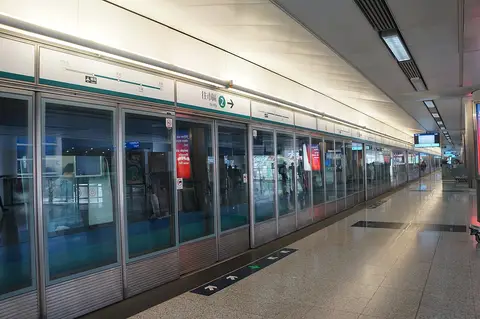 ComparisonAirport to City: Train, Bus, Taxi or Transfer? A Practical ComparisonCompare the five ways to get from the airport into town, with tips for late-night…
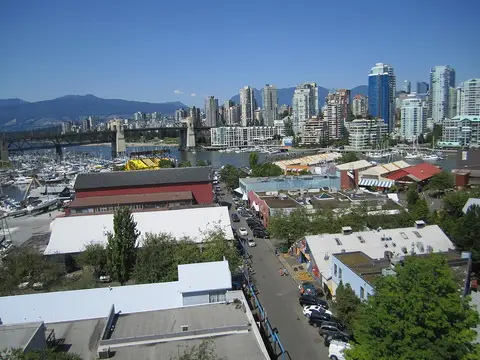 Itinerary · CanadaHow Many Days in Vancouver? A 4-Day Route and How to Get AroundVancouver suits 4 to 5 days: arrive on the Canada Line, see Stanley Park, Granville…