Tips · Japan
Sapporo Winter Trip Prep: Snow, Ice and What to Wear
How to prepare for winter in Sapporo: icy sidewalks, layering, snow-day transport, winter closures and a daily budget.
Published
When winter is, and what it's like
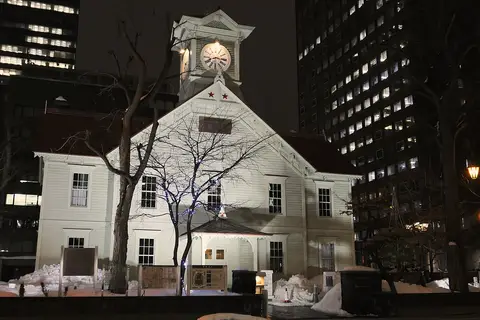
Sapporo, Hokkaido's capital, is loved for cool summers and snowy winters. December to February is especially popular for snow scenes and winter festivals.
Expect sub-zero temperatures and icy streets during this time. Sidewalks are described as icy and very slippery from December to March, so keep your winter gear even for a March trip. Check the official weather service for actual temperatures and snow conditions on your travel dates.
Priority one: dealing with ice
The most common winter advice for Sapporo is simple: watch your step. From December to March, sidewalks are icy and very slippery. Wear shoes with good grip, and consider slip-on ice cleats sold locally.
The grid layout makes the center easy to navigate, but in winter you should walk slowly. Take short steps and keep your hands free for balance. You will move more slowly than usual, so leave extra time in your plans.
It also helps to think about what happens if you fall. Check what your travel insurance covers before you leave.
- Shoes with non-slip soles (waterproof is even better)
- Slip-on ice cleats bought locally if you need them
- Short, slow steps with your hands out of your pockets
- Extra time between stops
What to wear and pack: layers are everything
Winters are well below freezing, so bring a warm coat, gloves and a hat. Indoors is warm, though, so several easy-to-remove layers work far better than one heavy outfit.
Underground walkways, malls and restaurants heat up quickly, so wear thin layers underneath and an outer coat that blocks wind and snow. Gloves that can handle getting snowy and a hat that covers your ears make long walks outside much more comfortable.
- A warm coat that blocks wind and snow
- Several thin, easy-to-remove layers
- Gloves, a hat and a scarf
- Non-slip, waterproof shoes and spare socks
- A small bag for wet gloves and socks
Enjoying festivals and winter scenery
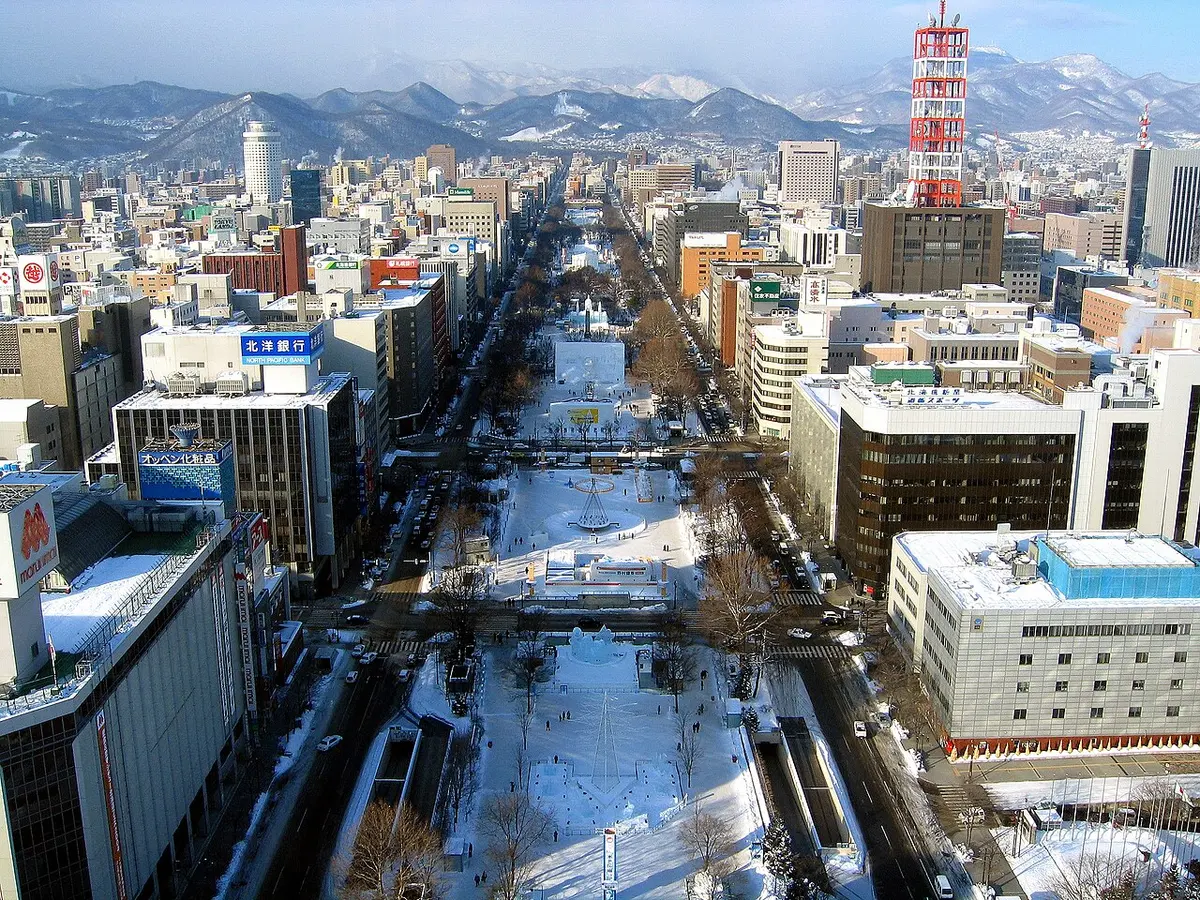
Odori Park is a long park through downtown that hosts seasonal festivals. Winter festival dates and layouts change each year, so check the official site. The Odori area is the busiest part of the city during winter festivals.
Hotels fill up early and prices rise during winter festivals. If you are timing your trip around one, confirm the dates first and book your stay early.
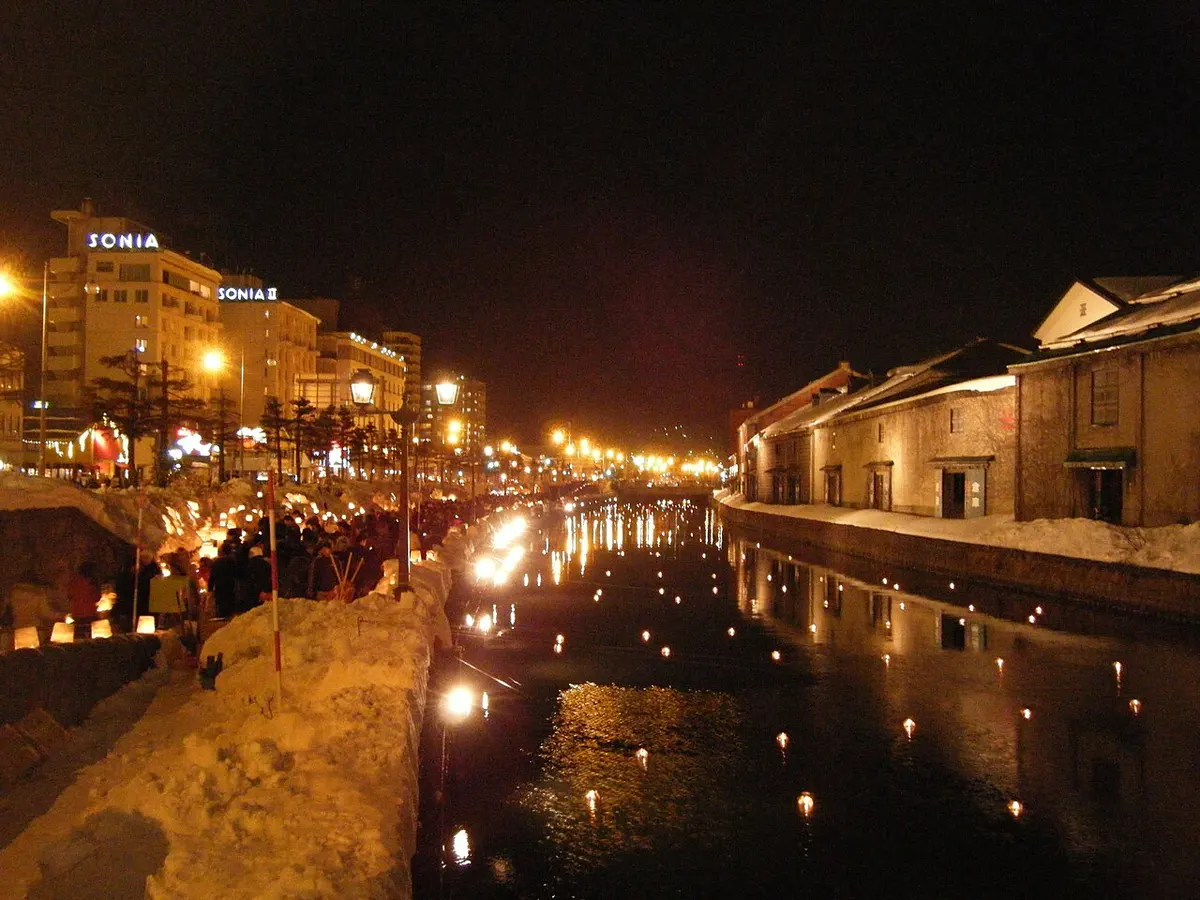
Nearby Otaru holds the Otaru Snow Light Path festival in February, lighting the canal and an old railway line with snow candles (February 6-13 in 2027). For how to pair Otaru with Sapporo in one day, see our separate day-route article.
Getting around on snowy days, and winter closures
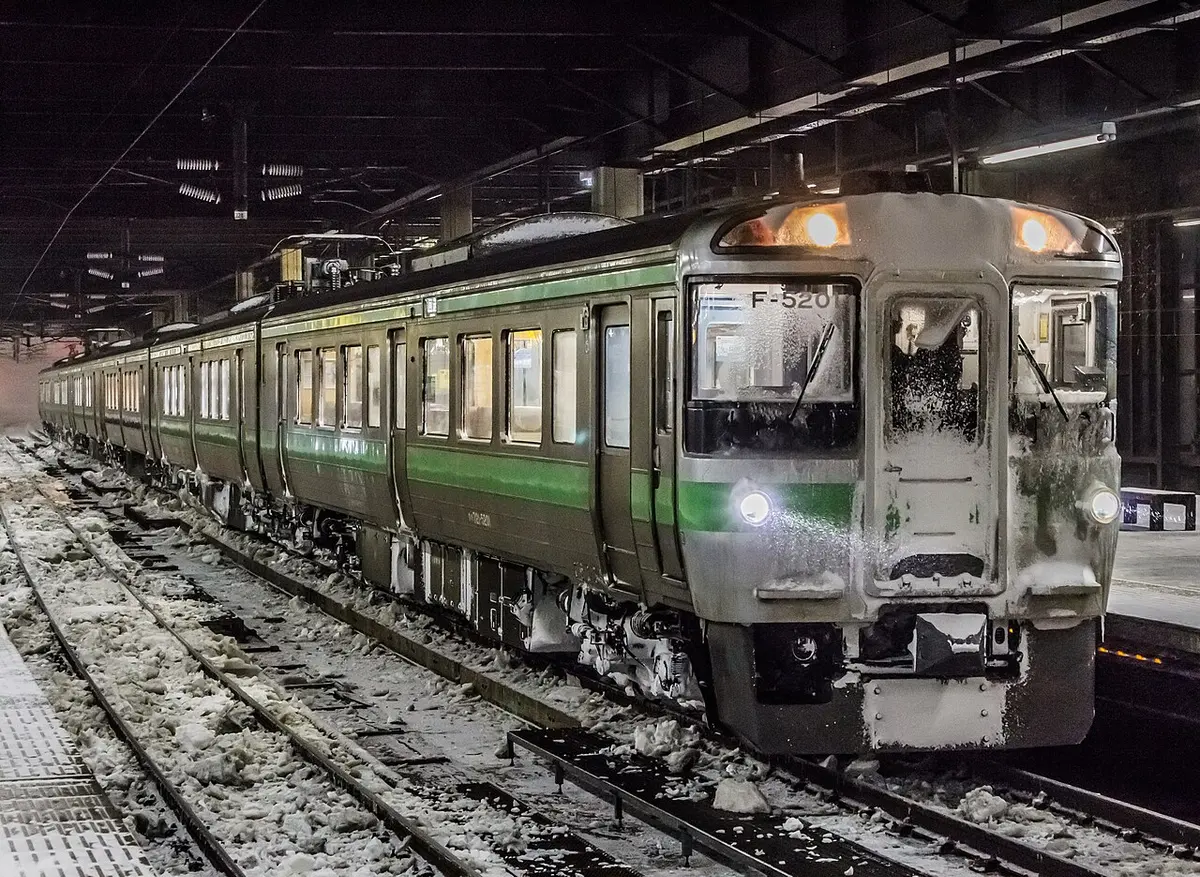
From New Chitose Airport, the JR Rapid Airport train is the fastest, easiest way to Sapporo Station: about 40 minutes for about 1,100-1,300 JPY. The airport bus (about 70-90 minutes, about 1,200-1,400 JPY) can be slow in heavy snow or traffic, so the train is the safer choice in winter.
In the city, three subway lines (Namboku, Tozai and Toho) link Sapporo Station, Odori and Susukino, and you can walk underground from Sapporo Station to Odori and Susukino, a lifesaver on cold days. The Mt Moiwa ropeway may stop in bad weather, so check conditions on the day.
If you've never driven on snow, skip a winter rental car and use trains or bus tours; Japan drives on the left. In Otaru, the Herring Mansion closes in winter, and Otaru Aquarium has a winter season and a closed period, so check official information before you go.
Budgeting for a winter trip
A daily budget per person in Sapporo runs about 7,000-9,000 JPY on the low end (hostel, ramen, subway), about 18,000-23,000 JPY mid-range (business hotel, lamb barbecue, seafood) and about 45,000 JPY and up at the high end (upscale hotel, onsen ryokan, crab dinners). Hotel prices rise during festivals, so leave some slack for accommodation.
A warming bowl of miso ramen costs about 900-1,300 JPY, and jingisukan lamb barbecue about 2,000-4,000 JPY per person. Some small eateries and markets are cash only. Japan's tax-free shopping switches to a pay-first, refund-at-departure system from November 2026, so check official information.
Plan your Sapporo trip
We never take payment — compare, then book on the official partner site.
Services mentioned in this article
Affiliate links. You book on each company’s official site — OneWorld never takes payment.
FAQ
When is the best time for a winter trip to Sapporo?
December to February is popular for snow scenes and winter festivals. Expect sub-zero temperatures and icy streets; sidewalks are slippery from December to March.
What shoes should I wear?
Wear shoes with non-slip soles. If you need more grip, slip-on ice cleats are sold locally.
When is the Sapporo snow festival?
Winter festival dates and layouts at Odori Park change each year, so check the official site. Hotels fill up early during festivals, so plan ahead.
Should I rent a car in winter?
If you've never driven on snow, it's safer to skip it and use trains or bus tours. Japan drives on the left.
Related reading
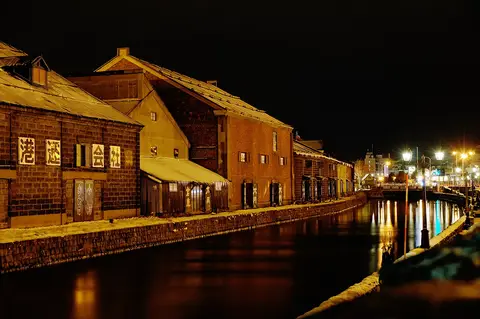 Itinerary · JapanOtaru and Sapporo in One Day: Which Order Works Best?Two ways to pair Otaru and Sapporo in one day, with JR and highway bus links, walking…
 TipsPlanning a year-end or winter-break trip — where to go and what to do firstDecember to February is peak season for year-end and school-break travel, so earlier…
 ComparisonAirport to City: Train, Bus, Taxi or Transfer? A Practical ComparisonCompare the five ways to get from the airport into town, with tips for late-night…