Itinerary · Japan
How Many Days in Sapporo? A 4-Day Route and How to Get Around
How long to stay in Sapporo, plus a day-by-day 4-day route: New Chitose Airport, Odori Park, Nijo Market, Mt Moiwa night views, Otaru and the way back.

Published
How many days? The 4-day big picture
Four days covers Sapporo and Otaru comfortably; plan five if you also want Biei and Furano or the Jozankei hot springs. This route follows the guide's plan: Day 1 in the city center, Day 2 for Nijo Market, the beer museum and Mt Moiwa night views, Day 3 for an Otaru day trip, and Day 4 for heading back to the airport. The guide's fourth day (Biei and Furano in summer, Jozankei hot springs in winter) is set out separately below as the option for an extra day.
For a first visit, the area around Sapporo Station is easiest: airport trains and JR to Otaru leave from here, with malls all around. Odori, home to Odori Park and the TV Tower, is the sightseeing center but busiest during winter festivals, while Susukino is full of ramen and lamb barbecue spots and stays lively late. For a quieter stay, the area around Nakajima Park, south of Susukino, has easy subway access to the center.
Sapporo Station, Odori and Susukino are linked by subway and by underground walkways. Staying in any of the three keeps all four days simple.
Day 1: New Chitose Airport, Sapporo Station, Clock Tower, Odori Park, TV Tower, Susukino
The JR Rapid Airport train is the fastest, easiest way from New Chitose Airport Station to Sapporo Station: about 40 minutes and about 1,100-1,300 yen, with a reserved-seat car available. The airport bus (about 70-90 minutes, about 1,200-1,400 yen) stops at major hotels in central Sapporo, but heavy snow or traffic can make it slow. A rental car is an option if you plan countryside drives; avoid winter driving on snowy roads unless you're experienced.
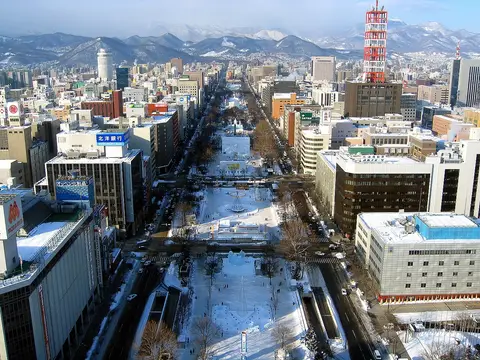
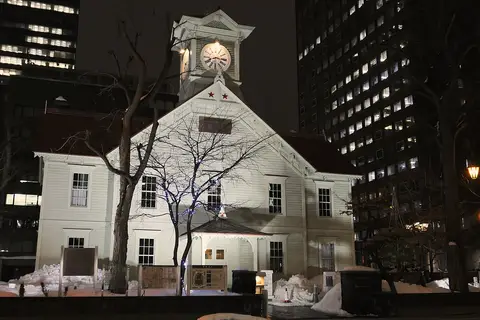
Drop your bags and start the afternoon at the Clock Tower. This former agricultural college building is a city symbol, but it's smaller than many expect, so treat it as a quick stop. Then walk Odori Park, the long park running through downtown, and go up the paid observation deck of the TV Tower at its end for views over the park and city.
End the day in Susukino with miso ramen, Sapporo's signature rich miso broth, sometimes topped with butter and corn, for about 900-1,300 yen a bowl. Ignore touts in Susukino.

Day 2: Nijo Market, the beer museum, lamb barbecue and Mt Moiwa night views
Have a seafood rice bowl breakfast at Nijo Market, which sells crab, sea urchin and salmon roe. Crab dishes are pricey, so check prices first. Some small eateries and markets are cash only, so carry some yen.
In the afternoon, head to the beer museum, a historic brick building telling Sapporo's brewing story, with a tasting area. Lamb barbecue restaurants are nearby, so dinner is easy. Jingisukan, lamb and vegetables grilled on a domed iron plate, is a Hokkaido classic at about 2,000-4,000 yen per person.
At night, take in one of Sapporo's best night views from the Mt Moiwa observatory, reached by ropeway. The streetcar loop line runs near the ropeway. Service may stop in bad weather, so check the conditions that day.

Day 3: Otaru by JR, from a canal walk to the lights at dusk
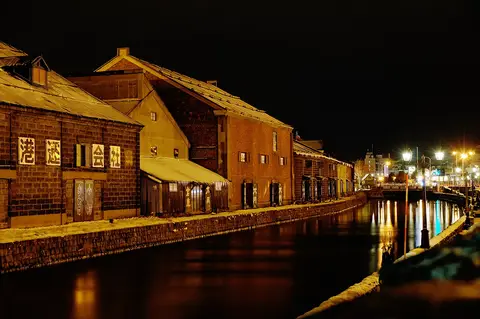
On day three, take JR from Sapporo Station to Otaru, about 30-40 minutes. Walk along the Otaru Canal, lined with stone warehouses, and browse the glass-craft street.
The canal is loveliest when the gas lamps light up at dusk, so the guide's route stays for the canal lights before heading back to Sapporo. If you want more time for the night views, many travelers stay a night in Otaru.

Day 4: JR Rapid Airport from Sapporo Station
The last day is for heading back to the airport. If you stayed near Sapporo Station, the malls around it are handy for your remaining time, and the JR Rapid Airport train reaches the airport in about 40 minutes.
Heavy snow or traffic can slow the airport bus, so in winter leave plenty of time for the trip to the airport. On cold or rainy days, use the underground walkways to get from Odori or Susukino to Sapporo Station.
One more day (5 days): Biei and Furano in summer, Jozankei in winter
The guide's fourth day depends on the season: a Biei and Furano tour in summer, famous for lavender fields and rolling hills, or the Jozankei hot springs in winter, then soup curry for dinner. Soup curry is Sapporo-style thin curry broth with large vegetables and chicken, and you choose the spice level.
Biei and Furano are far, so bus tours or rental cars are common, and lavender peaks nearby in July. If you've never driven on snow, skip a winter rental car and use trains or bus tours. Japan drives on the left. Jozankei is known for onsen ryokan, and many travelers stay a night.
Before you go: getting around, budget and when to visit
The Namboku, Tozai and Toho subway lines link Sapporo Station, Odori and Susukino and are the backbone of city travel; IC cards work. The grid layout makes navigation easy, but from December to March sidewalks are icy and very slippery, so wear shoes with good grip and consider slip-on ice cleats sold locally.
Per person per day, budget about 7,000-9,000 yen with a hostel, ramen and the subway, about 18,000-23,000 yen with a business hotel, lamb barbecue and seafood, and about 45,000 yen or more with an upscale hotel, onsen ryokan and crab dinners. Japan's tax-free shopping switches to a pay-first, refund-at-departure system from November 2026, so check official information.
June-August is pleasantly mild, September-October brings autumn colors, and December-February is popular for snow scenes and winter festivals. Japan Meteorological Agency normals for the Sapporo station (1991-2020) put January at an average high of 0°C and low of -6°C, and August at an average high of 26°C and low of 19°C. Winter festival dates and layouts change each year, so check the official site, and book early, as hotels fill up and prices rise during festivals.
- June-August: average highs of 22-26°C, with lavender peaking nearby in July
- September-October: autumn colors, with average highs falling from 23°C to 16°C
- December-February: snow scenes and winter festivals; average lows of -4 to -6°C, so bring a warm coat, gloves and a hat, and dress in layers for warm interiors
- Cherry blossoms: late, around late April to early May
- Check entry requirements with official sources before you travel
Plan your Sapporo trip
We never take payment — compare, then book on the official partner site.
FAQ
How many days do I need in Sapporo?
The guide suggests 4 to 5 days. Four days covers the city and an Otaru day trip; plan five if you want to add Biei and Furano or the Jozankei hot springs.
How do I get from New Chitose Airport to central Sapporo?
The JR Rapid Airport train reaches Sapporo Station in about 40 minutes for about 1,100-1,300 yen. The airport bus takes about 70-90 minutes for about 1,200-1,400 yen and can be slower in heavy snow or traffic.
Is a day trip enough for Otaru?
It's about 30-40 minutes from Sapporo Station by JR, so a day trip works well. Stay for the canal lights at dusk before heading back, or spend 1 night there if you want more time.
Can I drive to Biei in winter?
If you've never driven on snow, skip a winter rental car and use trains or bus tours. The guide's winter plan swaps Biei and Furano for the Jozankei hot springs.
Related reading
 Itinerary · JapanOtaru and Sapporo in One Day: Which Order Works Best?Two ways to pair Otaru and Sapporo in one day, with JR and highway bus links, walking…
 Tips · JapanSapporo Winter Trip Prep: Snow, Ice and What to WearHow to prepare for winter in Sapporo: icy sidewalks, layering, snow-day transport,…
 Comparison · JapanSapporo vs Okinawa in Winter: Snow Trip or Mild Island?A December-February trip to Japan: snowy Sapporo or mild Okinawa? We compare monthly…