Itinerary · Portugal
How Many Days in Lisbon? A 4-Day Route and How to Get Around
Lisbon needs 3 to 4 nights. A day-by-day route: airport metro, Tram 28 and Alfama, Belém and a Sintra day trip, plus transit cards, budget and timing.

Published
How many days does Lisbon need? The big picture and where to stay
Plan 3 to 4 nights in Lisbon. This route follows the guide's four days: Baixa and Chiado on day 1, Tram 28 and Alfama on day 2, Belém on day 3 and a Sintra day trip on day 4. With an extra day, give the Cascais seaside a day of its own.
For a first visit, Baixa / Chiado is the easiest base. It is the flat, grid-planned center, close to the metro, trams and Rossio station, where trains to Sintra leave. Alfama is lovely for old lanes, viewpoints and fado, but its steep slopes and stairs make rolling luggage hard. Bairro Alto's narrow streets fill with people at night, so expect late-night noise there; for a quieter stay, look at Príncipe Real or Avenida da Liberdade. Belém is better for a half or full day of sightseeing than for staying.
Lisbon spreads over seven hills, so expect plenty of climbing. The polished stone pavements (calçada) get slippery, especially in rain, so wear comfortable shoes with good grip.
Day 1: airport, Praça do Comércio and Baixa, Rossio, Chiado, Bairro Alto
The Metro Red Line starts at Aeroporto station right at the airport and runs straight to Saldanha; for Baixa and Chiado, change at Alameda (Green Line) or São Sebastião (Blue Line). First buy a reusable Navegante card at a station machine and load a single ticket or top it up with credit (zapping).
Once you have dropped your bags, start at Praça do Comércio, the grand square opening onto the river. Pass the triumphal arch and follow the pedestrian streets of Baixa, rebuilt in an orderly grid after the great earthquake, up to Rossio. There, try a ginjinha (sour-cherry liqueur) standing at a tiny counter. Then climb to Chiado, the hillside quarter of cafes, bookshops and theaters, and spend the evening in the narrow streets of Bairro Alto.
Since the Glória funicular accident in September 2025, several historic lifts and funiculars, including the Santa Justa Lift, have been out of service. Check Carris official information for any reopening, and walk or use the metro and buses for the hills. Pickpockets are common in Baixa, so wear your bag in front.

- Metro Red Line: about 20 min to Saldanha, about 30 min to Baixa incl. transfer. Card about EUR 0.5 + about EUR 1.9 per trip (a little less with zapping, check official)
- Carris city buses: they stop near arrivals and take the Navegante card. Much of the online information on airport-only buses is outdated, so check official information for current routes and service. Awkward with big luggage
- Taxi or ride-hailing app: about 15-30 min to the center, metered. Use the official taxi rank at arrivals and make sure the meter is on. Luggage and night supplements apply
Day 2: Tram 28, São Jorge Castle, Alfama viewpoints and fado
Start day 2 early on Tram 28. The classic yellow tram winds from Graça through Alfama, Baixa, Chiado and Estrela to Campo de Ourique, a sightseeing ride in itself. It is always crowded, so ride early in the morning, and tickets bought on board cost more than card fares, so have your Navegante card ready. Pickpockets are common on Tram 28; keep your phone deep in a pocket.
Next, head to São Jorge Castle on the city's highest hill. Its walls give views over Lisbon and the Tagus, and buying tickets on the official site helps you skip the line.
In the afternoon, wander the maze-like lanes of Alfama, Lisbon's oldest quarter, and take in the red rooftops and the river from lookouts (miradouros) such as Santa Luzia and Portas do Sol. Go to Senhora do Monte for sunset, then end the day with fado. Summer afternoons are hot with strong sun, so carry water and sunscreen and save the uphill walks for mornings and evenings.

Day 3: Belém, Jerónimos Monastery and Belém Tower, the river and a ferry to Cacilhas
Day 3 is for Belém, the riverside district reached by tram or train from the center. Jerónimos Monastery and several other national monuments close on Mondays, so if day 3 falls on a Monday, swap it with another day.
Jerónimos Monastery is a UNESCO-listed Manueline masterpiece built on Age of Discovery wealth; it is closed on Mondays and some public holidays, so check official information. Belém Tower, a 16th-century fortress on the Tagus, reopened in May 2026 after about a year of restoration. Entry is by 30-minute timed slots, so book ahead, and check official information for closing days.
Afterwards, have a warm pastel de nata (custard tart) dusted with cinnamon and powdered sugar and take a riverside walk. In the evening, ride the ferry from Cais do Sodré across to Cacilhas, about 10 minutes, for views of Lisbon from across the river, and come back.

Day 4: Sintra day trip, then Cascais or the Oceanário, plus an extra day
On day 4, take a CP train from Rossio to Sintra (about 40 minutes), a UNESCO-listed town of fairy-tale palaces and castles in wooded hills. Pena Palace and others use timed entry, so book ahead on the official Parques de Sintra site, and allow plenty of time because the hills are steep.
If time allows, add the Cascais seaside, with Atlantic beaches and a marina. Trains to Cascais leave from Cais do Sodré and take about 40 minutes, following the coast. If this is your airport day, the Oceanário de Lisboa fits well instead: the large aquarium in Parque das Nações, the 1998 Expo site, is a walk from Oriente station on the Red Line, the same line that serves Aeroporto station.
With 4 nights, split Sintra and Cascais into a day each for a more relaxed pace. Cascais is great for a swim in summer, and on your last day you can see the Oceanário and then take the Red Line to the airport.
Before you go: transit card, budget and timing
One Navegante card covers your transport. Load credit onto it (zapping) to ride the metro, Carris buses and trams, suburban trains and ferries with one card. Four metro lines cover the main districts, and a 24-hour Carris/Metro ticket costs about EUR 7.25. The metro also accepts contactless bank cards; check official information.
Budget per person per day: about EUR 70-90 with hostels, bifanas and local eateries, viewpoints and walks; about EUR 150-230 with a mid-range hotel, restaurant meals and one or two paid sights; about EUR 400+ with a luxury hotel, fine dining and guided tours. Bread, olives or cheese placed on your table (couvert) are charged if you eat them, so ask for them to be taken away if you don't want them. Tipping is not required, and cards are widely accepted, but carry a little cash for small places.
March-May and September-October are the most pleasant. IPMA (Portuguese Institute for Sea and Atmosphere) 1991–2020 normals for the Lisboa / Instituto Geofísico station give daytime highs of about 19-23°C and lows of about 11-14°C in March-May, and highs of about 27°C in September and about 23°C in October. October rainfall rises to about 111 mm, so pack an umbrella. July and August reach about 28-29°C, hot, sunny and the busiest time, with about 3-5 mm a month and almost no rain. In June the city celebrates the Santo António festivities, filled with the smell of grilled sardines. Winters (December-February) are mild, with highs of about 15-16°C, but often rainy. November is the wettest month at about 134 mm.
- Best time: March-May, September-October
- Busiest: July-August (hot with strong sun)
- Check official information for entry requirements before you travel
Plan your Lisbon trip
We never take payment — compare, then book on the official partner site.
FAQ
How many days do I need in Lisbon?
3 to 4 nights. With 3 nights you can give a day each to Baixa and Chiado, Tram 28 and Alfama, Belém and a Sintra day trip; with 4 nights you can add a separate day in Cascais.
How do I get from the airport to Baixa?
Take the Metro Red Line from Aeroporto station and change at Alameda (Green Line) or São Sebastião (Blue Line); it is about 30 minutes including the transfer. The Navegante card costs about EUR 0.5 plus about EUR 1.9 per trip; check official fares.
Do I need to book Belém Tower and the Sintra palaces?
Belém Tower reopened in May 2026 and uses 30-minute timed slots, so book ahead. Pena Palace and others in Sintra also use timed entry, so book on the official Parques de Sintra site.
Can I ride the Santa Justa Lift or the funiculars?
Since the Glória funicular accident in September 2025, several historic lifts and funiculars, including the Santa Justa Lift, have been out of service. Check Carris official information for any reopening, and walk or use the metro and buses for the hills.
Related reading
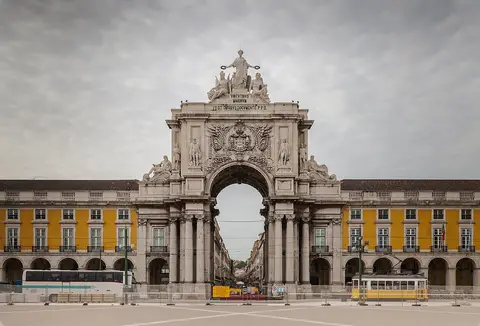 Comparison · PortugalLisbon vs Barcelona: Which Should You Choose for a First Trip?Hilly, tram-lined Lisbon or Gaudi-and-beach Barcelona? Who each suits, airport…
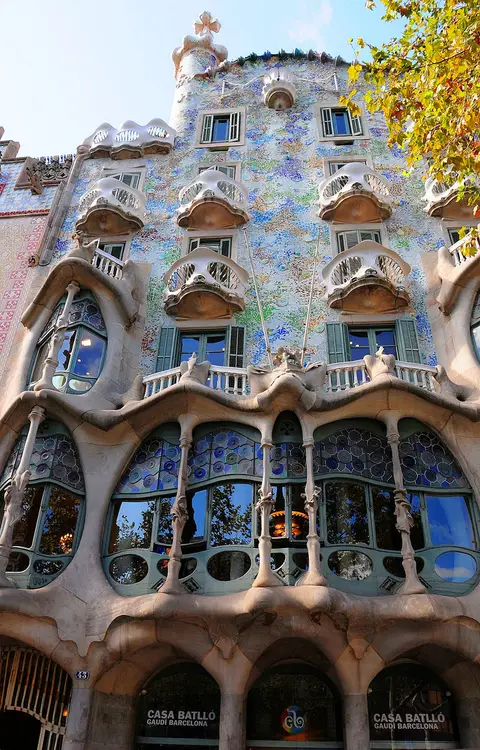 Itinerary · SpainHow Many Days in Barcelona? A 4-Day Route and How to Get AroundBarcelona suits 4 to 5 days: airport to city, a day-by-day route through Gaudi's sights,…
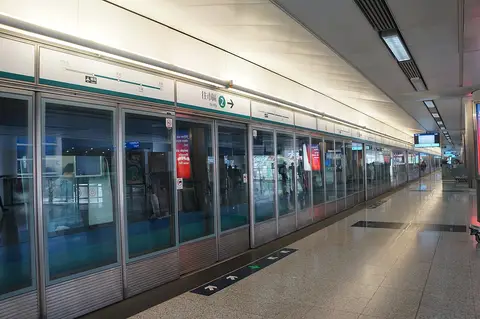 ComparisonAirport to City: Train, Bus, Taxi or Transfer? A Practical ComparisonCompare the five ways to get from the airport into town, with tips for late-night…