Comparison · Spain
Madrid vs Barcelona: Which Should You Choose for a First Trip to Spain?
Spain's art-and-tapas capital or Gaudi's city by the sea? We compare Madrid and Barcelona on airport transfers, days and budget, monthly weather and sights.

Published
The short answer
Madrid is Spain's capital. Its draws are world-class art museums, such as the Prado with works by Velázquez, Goya and El Greco and the Reina Sofía with Picasso's Guernica, plus a lively tapas culture that runs late. It is also a great base for day trips by train to Toledo or Segovia.
Barcelona is the Mediterranean capital of Catalonia. Gaudi's architecture, led by the Sagrada Familia, the old lanes of the Gothic Quarter and a beach within walking distance of the city all come together here.
Best for: Madrid suits travelers who want to take museums slowly, hop between tapas bars and add an old town nearby. Barcelona suits those who want Gaudi and the sea together. The Barcelona guide calls it a favorite first stop in Europe.

From the airport to the city
At Madrid's Barajas airport you can choose Metro Line 8, the Airport Express Bus that runs 24 hours, the Cercanías C1 commuter train from Terminal 4, or a flat-rate taxi. The taxi fare is fixed between the airport and anywhere inside the M-30 ring road, so there are no surprises.
At Barcelona El Prat Airport (BCN), the dedicated airport bus to Placa de Catalunya is frequent and easy with luggage. The airport metro stations need a special airport ticket, while the R2 Nord local train uses regular fares. Take taxis from the official rank; set supplements (airport, luggage) are added.
- Madrid Metro Line 8: about 25-40 min to the center incl. transfer / about €4 incl. airport supplement (check official)
- Madrid Airport Express Bus: about 40 min / about €5 (to Cibeles and Atocha; Cibeles only at night)
- Madrid Cercanías C1 (from T4): about 25-30 min towards Atocha and Chamartín / about €3
- Madrid taxi: about 20-40 min / about €33 flat inside the M-30
- Barcelona airport bus: about 35 min to Placa de Catalunya / about 6-8 EUR
- Barcelona metro or local train: about 30-50 min to the city / metro about 5-6 EUR; local train cheaper (check official)
- Barcelona taxi: about 25-35 min to the city / about 35-45 EUR
How many days and what budget
The guides suggest 3 to 4 nights for Madrid and 4 to 5 days for Barcelona. Madrid's sample plan sets aside one day for a Toledo or Segovia day trip between city days, while Barcelona's spreads booked sights such as the Sagrada Familia and Park Guell across different days.
Here are each guide's daily budgets per person. Level for level, Barcelona's figures are set a little higher.
- Madrid low: about €60-80 per day (hostels, tapas and menú del día, free museum hours)
- Madrid mid: about €150-220 per day (mid-range hotel, restaurant meals, one or two paid sights)
- Madrid high: about €400+ per day (luxury hotel, fine dining, guided tours)
- Barcelona low: about 80 EUR per day (hostel, markets, metro)
- Barcelona mid: about 180-250 EUR per day (city hotel, restaurants, Gaudi sights)
- Barcelona high: about 450 EUR+ per day (upscale hotel, tasting menus, taxis)
- In Madrid, the weekday menú del día set lunch (about €13-18) and free entry to the Prado for roughly the last two hours before closing help you save.
- In Barcelona, a city tourist tax is added to your accommodation. Check the total when booking.
Weather by month
The guides' best times are April to June and September to October for Madrid, and May-June and September-October for Barcelona. May-June and September-October appear in both. In July and August, Madrid is hot and some businesses close for August holidays, while Barcelona is hot and at its busiest, with sights booking up fast.
Below are 1991–2020 normals: average monthly high/low temperatures and rainfall. Both cities' data are from the Spanish State Meteorological Agency (AEMET) submission · WMO normals collection (NOAA NCEI): Madrid Retiro station for Madrid and Barcelona Airport station for Barcelona.
Madrid gets little rain from June to August (20, 9 and 10 mm). In Madrid, July (9 mm) is the driest month of the year and October (64 mm) the wettest. Madrid's average July high is 33°C, and the guide notes that hot days can top 35°C.
Barcelona sees a lot of rain in September-October (86 and 84 mm). Its average July high is 29°C, 4 degrees lower than Madrid's. In January, Madrid averages 10/3°C and Barcelona 14/6°C. According to the guides, Madrid's winters are chilly but often sunny, and Barcelona's are fairly mild but the sea is cold.
- April: Madrid 19/8°C, 46 mm; Barcelona 19/11°C, 47 mm
- May: Madrid 24/12°C, 48 mm; Barcelona 22/15°C, 42 mm
- June: Madrid 29/17°C, 20 mm; Barcelona 26/19°C, 27 mm
- July: Madrid 33/20°C, 9 mm; Barcelona 29/22°C, 27 mm
- September: Madrid 27/16°C, 24 mm; Barcelona 27/19°C, 86 mm
- October: Madrid 20/11°C, 64 mm; Barcelona 23/15°C, 84 mm
What to see and do
Madrid is a city of museums and squares. The classic stops are the Prado (free for roughly the last two hours before closing, though lines can be long), the Reina Sofía (usually closed Tuesdays), the Royal Palace of Madrid, Retiro Park with rowing on the lake, and the Temple of Debod, famous for sunsets. Puerta del Sol, Plaza Mayor, the Royal Palace and the Prado are all within about 20 minutes' walk of each other.
For food in Madrid, hop between bars for tapas (about €4-12 per plate), and try the bocadillo de calamares, a fried squid sandwich, and churros con chocolate. The bars in La Latina's narrow streets are liveliest in the evening, and the El Rastro flea market runs on Sundays.
Barcelona is a city of Gaudi and the sea. The Sagrada Familia and Park Guell's Monumental Zone need timed tickets bought in advance on the official sites. Casa Batllo and Casa Mila on Passeig de Gracia, the Gothic Quarter and Cathedral, La Boqueria market, Montjuic, Barceloneta Beach and the Picasso Museum are also classic stops. Food favorites include seafood paella (usually ordered for two or more), pa amb tomaquet and crema catalana.


- Getting around Madrid: the metro runs until about 1:30 am, the 10-trip ticket works on both metro and city buses, and a tourist travel pass covers 1 to 7 days
- Getting around Barcelona: the 10-ride T-casual is for one person, so groups should check passes such as the T-familiar; city buses are handy for Park Guell and Montjuic
How to choose, and checks before you go
Pick Madrid for museums, tapas and day trips to old towns nearby; pick Barcelona for Gaudi and a city beach. For timing, aim for May-June or September-October, which both guides recommend.
If you combine the two cities, check how to travel between them and how long it takes with the official rail and airline information. In Madrid, the C1 commuter train from the airport goes to Atocha and Chamartín stations, handy for onward rail connections. Entry requirements and EU border procedures can change, so check official EU and Spanish government information before you travel.
- Pickpockets: in Madrid around Sol, on the metro and at El Rastro; in Barcelona on La Rambla, the metro and the beach. Don't leave your phone on the table
- Timed entry: book Barcelona's Sagrada Familia and Park Guell on the official sites and beware of costly resellers
- Spain eats late: lunch around 2 pm and dinner from around 9 pm, and some restaurants are closed before then
- Many shops in Barcelona close on Sundays, and some businesses in Madrid close for August holidays
- Barcelona uses both Catalan and Spanish; signs and menus often show Catalan first
Plan your Madrid trip
We never take payment — compare, then book on the official partner site.
Plan your Barcelona trip
We never take payment — compare, then book on the official partner site.
FAQ
Madrid or Barcelona for a first trip to Spain?
Barcelona if you want Gaudi's architecture and a beach together; Madrid if you prefer museums, tapas and a Toledo or Segovia day trip. The Barcelona guide calls it a favorite first stop in Europe.
Which one needs a bigger budget?
The guides' mid-range daily budgets are about €150-220 for Madrid and about 180-250 EUR for Barcelona. Barcelona adds a city tourist tax to accommodation, so check the total when booking.
Is midsummer OK?
Average July highs are 33°C in Madrid and 29°C in Barcelona. In Madrid, plan indoor sights like museums for midday; in Barcelona, it is the busiest time, so book sights in advance.
How long from the airport to the city?
In Madrid, about 40 minutes by Airport Express Bus or about 20-40 minutes by flat-rate taxi (about €33). In Barcelona, about 35 minutes to Placa de Catalunya by airport bus or about 25-35 minutes to the city by taxi.
Related reading
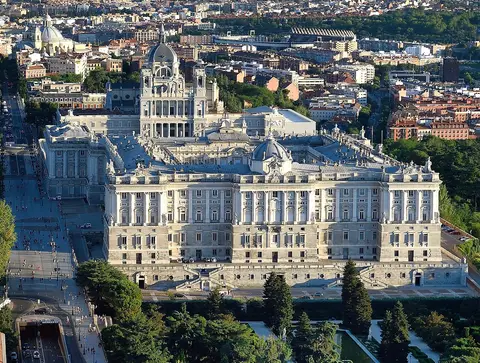 Itinerary · SpainHow Many Days in Madrid? A 4-Day Route and How to Get AroundMadrid suits 3 to 4 nights. Airport to center, free hours at the Prado and Reina Sofía,…
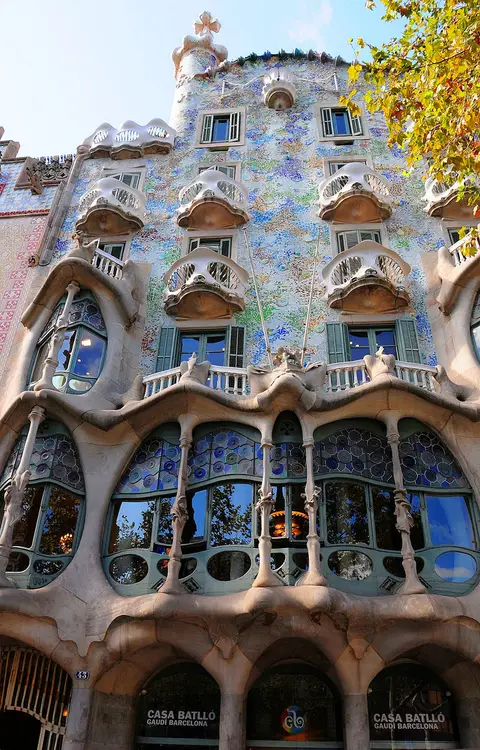 Itinerary · SpainHow Many Days in Barcelona? A 4-Day Route and How to Get AroundBarcelona suits 4 to 5 days: airport to city, a day-by-day route through Gaudi's sights,…
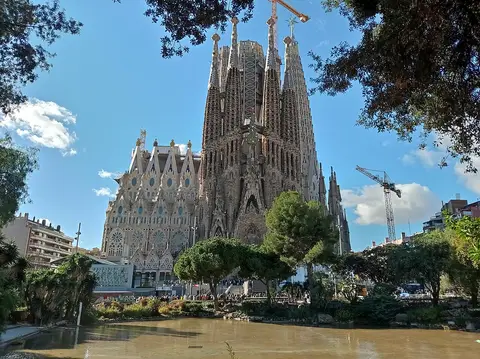 Comparison · United KingdomChoosing Your First European City: London, Paris, Rome, Madrid or Barcelona?First trip to Europe — where should you start? We compare London, Paris, Rome, Madrid…