Itinerary · Spain
How Many Days in Madrid? A 4-Day Route and How to Get Around
Madrid suits 3 to 4 nights. Airport to center, free hours at the Prado and Reina Sofía, a Toledo or Segovia day trip, budget and timing, day by day.

Published
How many days in Madrid: the 4-day plan and where to stay
Madrid suits 3 to 4 nights. This post follows the guide's 4-day route: day one covers Puerta del Sol, Plaza Mayor and the Royal Palace area; day two the Prado Museum, Retiro Park and Reina Sofía; day three a train day trip to Toledo or Segovia; and the last day El Rastro flea market (if it is Sunday) plus Salamanca or Malasaña.
Pick your base to fit the route. For first-timers, Sol / Plaza Mayor is the very center, walkable to everything with many metro lines, though busy and can be noisy at night. Barrio de las Letras, between the Prado and Sol, is a great location packed with tapas bars. La Latina suits tapas crawls and a local vibe, Malasaña / Chueca suits cafes, shopping and nightlife (loud on weekend nights), and Salamanca, an elegant residential district close to Retiro Park, suits quiet stays.
Day 1: airport, Puerta del Sol, Plaza Mayor, Mercado de San Miguel, Royal Palace, Temple of Debod, La Latina
There are four main ways from Barajas Airport into the city. Choose by where you stay and how much luggage you have.
After check-in, start at Puerta del Sol and walk to Plaza Mayor. Cafes on the square are pricey, so try bars in side streets. Madrid's famous fried squid sandwich, the bocadillo de calamares, sells around Plaza Mayor for about €4-6. For lunch, try the many tapas at Mercado de San Miguel, an iron-and-glass market hall; it is aimed at tourists, so a bit pricier.
In the afternoon, head to the Royal Palace of Madrid, one of Europe's largest palaces, with paid interior visits; combine it with Almudena Cathedral and the Sabatini Gardens. Around sunset, walk to the Temple of Debod, an ancient Egyptian temple relocated to a hilltop park and famous for sunsets; it is free to view outside. End the day with tapas in La Latina, whose narrow streets are full of bars. Hop between bars for gambas, patatas bravas and croquetas, about €4-12 per plate.

- Metro Line 8: runs from the Barajas terminals to Nuevos Ministerios with easy transfers to other lines; about 25-40 min to the center incl. transfer, about €4 incl. airport supplement (check official)
- Airport Express Bus: runs 24 hours to Cibeles and Atocha (Cibeles only at night); about 40 min, about €5, pay the driver by card
- Cercanías C1 (from T4): commuter train from Terminal 4 to Atocha and Chamartín stations; about 25-30 min, about €3, handy for hotels near Atocha or onward rail connections
- Flat-rate taxi: about €33 flat between the airport and anywhere inside the M-30 ring road; about 20-40 min
Day 2: Prado Museum, Retiro Park, Reina Sofía, Barrio de las Letras
Spend the morning at the Prado Museum, with masterpieces by Velázquez, Goya and El Greco. Entry is free for roughly the last two hours before closing, though lines can be long. The guide's route visits in the morning, but on a tight budget you can use those free hours instead.
Next comes Retiro Park, a free park where you can row on the lake and visit the glass Palacio de Cristal. Summer afternoons are scorching, so plan outdoor sights for mornings and evenings and museums for midday.
In the afternoon, visit the Reina Sofía, the modern art museum home to Picasso's Guernica. It is usually closed Tuesdays, so avoid planning this day on a Tuesday, and some evening hours are free. Have dinner at the tapas bars of Barrio de las Letras, between the Prado and Sol. Spaniards eat late, with dinner after 9 pm, and some restaurants won't be open if you arrive early.

Day 3: train day trip to Toledo or Segovia, then Gran Vía at night
On day three, take the train to either Toledo or Segovia for a day trip; Madrid makes a great base for both. Check train times and departure stations in official information before you go.
Back in Madrid in the evening, head to Gran Vía, a grand avenue of shops and theaters, where rooftop terrace bars offer great views. In summer, leave early in the morning to avoid the midday heat and finish with the night views after sunset.

Day 4: El Rastro, Salamanca or Malasaña, churros, and an extra day
If your last day is a Sunday, start at El Rastro flea market in La Latina, which is liveliest in the evenings and on Sunday afternoons when the market runs. It gets crowded, so watch for pickpockets.
Then choose by taste: shopping in Salamanca, an elegant district with designer boutiques, or cafe-hopping in Malasaña, a young, trendy neighborhood with cafes, vintage shops and bars. Finish with churros con chocolate, churros dipped in thick hot chocolate, about €4-6. For the airport, pick from the options on day one: Metro Line 8, the Airport Express Bus, Cercanías C1 (T4) or a flat-rate taxi.
With a fifth day, fill in what this route made you choose between.
- Both Toledo and Segovia: if you only saw one on day three, take the train to the other
- The Prado again: use the free entry in roughly the last two hours before closing (lines can be long)
- Both Salamanca and Malasaña: if you only saw one on day four, explore the other
Getting around and staying safe: metro, transit card, walking, pickpockets
The metro is the backbone: extensive and clean, reaching almost every sight, and running until about 1:30 am. Buy the Tarjeta Multi card at station machines and load single or 10-trip tickets; the 10-trip ticket works on both metro and city buses and saves money. If you plan to ride a lot, the Tourist Travel Pass gives unlimited public transport for 1 to 7 days.
Puerta del Sol, Plaza Mayor, the Royal Palace and the Prado are all within about 20 minutes' walk of each other, so most of days one and two can be done on foot. Buses complement the metro well, and taxis are relatively affordable compared with other European capitals.
Watch for pickpockets around Sol, on the metro and at El Rastro, and don't leave your phone on terrace tables. Cards are accepted almost everywhere, and contactless payment is common. Tipping is not required; leave small change or about 5-10% for good service.
Before you go: budget, meal times, when to visit, entry
Budget about €60-80 per day with hostels, tapas and menú del día and free museum hours; about €150-220 per day with a mid-range hotel, restaurant meals and one or two paid sights; and about €400+ per day with a luxury hotel, fine dining and guided tours. The weekday set lunch, menú del día, costs about €13-18 and is great value. Spaniards eat late: lunch around 2 pm and dinner after 9 pm.
April to June and September to October are the most pleasant. According to 1991–2020 normals for Madrid Retiro station (Spanish State Meteorological Agency (AEMET) submission · WMO normals collection (NOAA NCEI)), daytime highs are about 19°C in April, 24°C in May, 29°C in June, 27°C in September and 20°C in October. The wettest month of the year is October (about 64 mm), so pack an umbrella. July and August have average highs of about 33°C, and hot days can top 35°C; some businesses close for August holidays. Winter (December-February) is chilly but often sunny, with highs of about 10-12°C and lows of about 3-4°C.
- The EU Entry/Exit System (EES) is in operation, so non-EU travelers have fingerprints and a facial image registered at the border
- Check entry requirements, including the current status of ETIAS, on the official EU website and other official sources before travel
- Non-EU residents can get tax-free forms in stores and claim a VAT refund when leaving; bring your passport
Plan your Madrid trip
We never take payment — compare, then book on the official partner site.
FAQ
How many days do I need in Madrid?
3 to 4 nights is right. In 4 days you can give one day each to the central squares and Royal Palace, the Prado, Retiro Park and Reina Sofía, a Toledo or Segovia day trip, and El Rastro plus Salamanca or Malasaña.
Can I visit the Prado and Reina Sofía for free?
The Prado is free for roughly the last two hours before closing, though lines can be long. The Reina Sofía has free entry during some evening hours and is usually closed Tuesdays.
How do I get from the airport to the center?
Metro Line 8 (about 25-40 min incl. transfer, about €4 incl. airport supplement), the 24-hour Airport Express Bus (about 40 min, about €5), Cercanías C1 from T4 (about 25-30 min, about €3), or a flat-rate taxi at about €33 inside the M-30.
Is Madrid OK in July and August?
July and August have average highs of about 33°C, and hot days can top 35°C. Plan outdoor sights for mornings and evenings and museums for midday. Some businesses close for August holidays.
Related reading
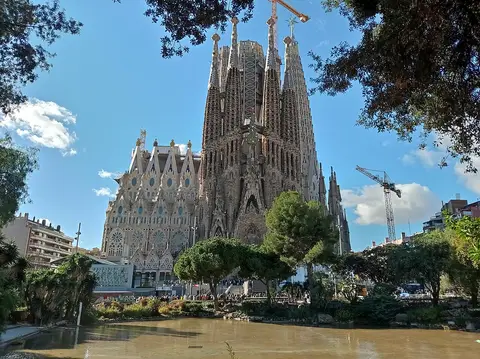 Comparison · United KingdomChoosing Your First European City: London, Paris, Rome, Madrid or Barcelona?First trip to Europe — where should you start? We compare London, Paris, Rome, Madrid…
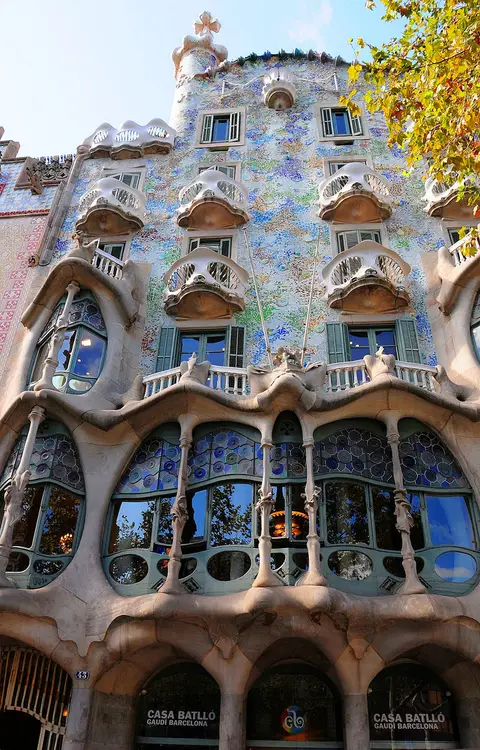 Itinerary · SpainHow Many Days in Barcelona? A 4-Day Route and How to Get AroundBarcelona suits 4 to 5 days: airport to city, a day-by-day route through Gaudi's sights,…
 ComparisonAirport to City: Train, Bus, Taxi or Transfer? A Practical ComparisonCompare the five ways to get from the airport into town, with tips for late-night…