Itinerary · Türkiye
How Many Days in Istanbul? A 4-Day Route and How to Get Around
From IST or SAW into the city, then Hagia Sophia, Topkapı Palace, two bazaars, a Bosphorus ferry and Kadıköy on the Asian side: Istanbul in 4 days.

Published
How many days: the 4-day plan and where to stay
Istanbul fits well into 4 to 5 days. This post follows the guide's 4-day route: Day 1 is arrival, Sultanahmet Square and the Eminönü waterfront; Day 2 is Hagia Sophia, the Blue Mosque and Topkapı Palace; Day 3 is the Grand Bazaar, the Spice Bazaar, a Bosphorus ferry tour and Galata Tower; Day 4 is Dolmabahçe Palace, Ortaköy and Kadıköy on the Asian side before heading to the airport.
Check the weekdays first. Officially, Topkapı Palace is closed on Tuesdays, Dolmabahçe Palace on Mondays, and Hagia Sophia is closed to visitors during Friday prayers (12:00-14:00). If Day 2 falls on a Tuesday or Day 4 on a Monday, swap the order with another day.
First-timers do best in Sultanahmet (old city), where Hagia Sophia, the Blue Mosque and Topkapı Palace are all within walking distance; it is quiet at night and restaurants are tourist-oriented. Karaköy & Galata sit close to the tram and ferry piers, handy for both the old and new city, but expect hills and stairs. Beyoğlu (Taksim & İstiklal), served by the M2 metro, suits shopping and nightlife, though it is crowded and can be noisy late. Kadıköy on the Asian side suits a local vibe and Sabiha Gökçen (SAW) flights, and Beşiktaş & Ortaköy offer Bosphorus views but are a bit far from the old city.
Arrival: from IST or SAW into the city
Istanbul has two airports. Istanbul Airport (IST) is the main airport on the European side, and Sabiha Gökçen (SAW) is the second airport, on the Asian side. Your first day looks quite different depending on which one you land at, so check when you book.
If you plan to ride the metro, get an Istanbulkart, the city's official transport card, first: buy it and load lira at Biletmatik machines near stations. Korea's consulate general in Istanbul warns of frequent pickpocketing and bag snatching in crowded places like airports, stations and hotel lobbies, so keep your bags and wallet close.
- IST → M11 Metro: links the airport with Gayrettepe (change for M2). According to the airport, the extension towards Halkalı opened in June 2026. Check time and fare officially (Istanbulkart)
- IST → Havaist buses: 11 routes into the city including Taksim and Sultanahmet, boarding on the transportation floor (-2). Check time (depends on traffic) and fare officially
- SAW → M4 Metro: about 52 min to Kadıköy, with a Marmaray change at Ayrılık Çeşmesi. Check the fare officially (Istanbulkart)
- SAW → Havabus: to Kadıköy and Taksim; about 1 hr 30 min to Taksim depending on traffic. Check the fare officially
Day 1: check in, Sultanahmet Square, Eminönü waterfront
Day one starts with the metro or an airport bus into the city and check-in. Taxis are handy with luggage or late at night, but make sure the meter is on; at rush hour the tram or metro can be faster.
Once you have dropped your bags, take an easy stroll around Sultanahmet Square. Hagia Sophia and the Blue Mosque, tomorrow's sights, are right here, so it is a good way to get your bearings.
In the evening, take the T1 tram to Eminönü for balık ekmek, a grilled fish sandwich, on the waterfront. The T1 runs via Kabataş, Karaköy, Eminönü, Sultanahmet and Beyazıt (Grand Bazaar) and is the most useful line for the old city; watch for pickpockets when it is crowded.
Day 2: Hagia Sophia, the Blue Mosque, Topkapı Palace
Start the morning at Hagia Sophia (Hagia Sophia Grand Mosque). It is an active mosque, so visitors take a ramp to the upper gallery to see the interior and Byzantine mosaics. Foreign visitors pay an entry fee (check official), women must cover their heads, and scarves and body covers are available at the ticket booth. Officially it is closed to visitors during Friday prayers (12:00-14:00), so on a Friday go early in the morning.
Then walk to the Blue Mosque (Sultan Ahmed Mosque), famous for its six minarets and blue tiles and still an active place of worship; follow on-site notices for visiting times. In mosques, take off your shoes, cover shoulders and knees, and women should cover their hair. Don't walk in front of or photograph people who are praying.
In the afternoon, visit Topkapı Palace, the Ottoman imperial palace for about four centuries, and its Harem, which needs a separate ticket. Tickets are sold at the on-site ticket office (check official prices), and the palace is officially closed on Tuesdays, so move it if this day is a Tuesday. For the nearby Basilica Cistern (Yerebatan), its official site announced a temporary closure in 2026, so check officially whether it has reopened; the site suggests the nearby Şerefiye Cistern as an alternative.

Day 3: Grand Bazaar, Spice Bazaar, Bosphorus ferry, Galata Tower
Spend the morning in the Grand Bazaar (Kapalıçarşı), a vast covered market close to the T1 stop at Beyazıt. Then move on to the Spice Bazaar (Mısır Çarşısı) in Eminönü for spices and sweets. Check closing days and hours for both officially.
In the afternoon, take a Bosphorus ferry tour from Eminönü. Şehir Hatları, the public ferry company, runs Bosphorus tours from Eminönü, Üsküdar and Ortaköy past palaces and bridges. Check schedules and fares officially.
Around sunset, cross to Karaköy and go up Galata Tower, whose top balcony looks over the Golden Horn and the old city. It is officially open every day, with evening visits too (check official prices). The streets of Karaköy & Galata below are full of hills and stairs, so wear comfortable shoes.

Day 4: Dolmabahçe Palace, Ortaköy, Kadıköy, then the airport
The last morning goes to Dolmabahçe Palace on the Bosphorus shore, a European-style 19th-century palace of the Ottoman sultans, officially closed on Mondays. Then head along to Ortaköy, with its palaces, mosques and bridge views, for kumpir, a loaded baked potato, on the waterfront.
Next, take a ferry to Kadıköy on the Asian side for its market lanes and waterfront promenade. City ferries link Eminönü, Karaköy and Beşiktaş with Kadıköy and Üsküdar, so the ride doubles as a strait cruise, and you can pay with Istanbulkart. If you fly out of Sabiha Gökçen (SAW), the M4 metro from Kadıköy takes about 52 minutes, which makes for a neat finish. If you fly out of Istanbul Airport (IST), you need to get back to the European side for the M11 metro or a Havaist bus, so leave plenty of time and check services officially.
With 5 days, use the extra day at an easier pace. Built only from the guide, that means shopping along pedestrian İstiklal Avenue in Beyoğlu on the M2 metro, a ferry to Üsküdar, or more time in Kadıköy. In spring the city ferry company sometimes runs seasonal tours to see the Judas trees in bloom.
Before you go: transport card, budget and when to visit
One Istanbulkart covers the metro, tram, bus and ferries. If you are travelling as a group, keep enough balance loaded. The M2 metro serves Taksim and the newer city, and the Marmaray rail line crosses under the Bosphorus to link Europe and Asia.
Per person per day, budget about TRY 2,500-3,500 with a hostel, street food and public transport; about TRY 7,000-10,000 with a mid-range hotel, restaurants and one or two paid sights; and about TRY 20,000+ with an upscale hotel, guided tours and taxis. Prices and exchange rates change quickly, so double-check fares locally, keep a little cash for small shops, and split your travel money.
Spring (April-May) and autumn (September-October) are the most pleasant for walking. Based on the 1991–2020 normals for Istanbul Florya station (Turkish State Meteorological Service (MGM) submission · WMO normals collection (NOAA NCEI)), highs and lows are about 17°C and 9°C in April, 22°C and 13°C in May, 26°C and 17°C in September, and 21°C and 14°C in October. Monthly precipitation is about 47 mm in April, 33 mm in May, 43 mm in September and 75 mm in October. July and August are hot, with highs of about 30°C and lows of about 21°C, and they are the busiest months. December to February is chilly and rainy, with highs of about 9-11°C and about 74-88 mm of precipitation a month.
- Opening hours can change during Ramadan and the Bayram holidays, so check officially
- Check your government's current travel advice for Türkiye before you go; Türkiye is earthquake-prone, so read any earthquake safety notices too
- Entry conditions and passport validity requirements can change, so check official information before you travel
- Many Incheon-Istanbul tickets involve a connection, so check with the airline whether and when flights operate
Plan your Istanbul trip
We never take payment — compare, then book on the official partner site.
FAQ
How many days do I need in Istanbul?
4 to 5 days works well. In 4 days you can cover the old-city landmarks, two bazaars, a Bosphorus ferry and Kadıköy on the Asian side; a fifth day adds Beyoğlu or Üsküdar at an easier pace.
How do I get from IST or SAW into the city?
From IST, take the M11 metro (change for M2 at Gayrettepe) or a Havaist bus, which runs 11 routes including Taksim and Sultanahmet. From SAW, the M4 metro reaches Kadıköy in about 52 minutes, and Havabus takes about 1 hr 30 min to Taksim depending on traffic.
When should I visit Hagia Sophia, and what should I wear?
Officially it is closed to visitors during Friday prayers (12:00-14:00), so mornings are best. Women must cover their heads, and scarves and body covers are available at the ticket booth. In mosques, take off your shoes and cover shoulders and knees.
How do I take a Bosphorus ferry?
Şehir Hatları runs Bosphorus tours from Eminönü, Üsküdar and Ortaköy; check schedules and fares officially. Regular city ferries to Kadıköy and Üsküdar take Istanbulkart.
Related reading
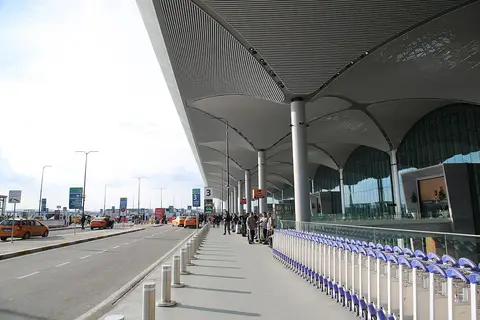 Comparison · TürkiyeIstanbul's Two Airports (IST vs SAW): Which One Should You Fly Into?Istanbul has two airports: Istanbul Airport (IST) on the European side and Sabiha Gökçen…
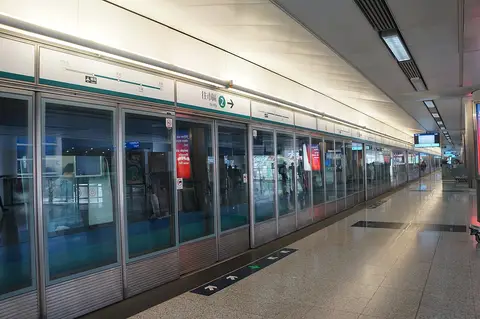 ComparisonAirport to City: Train, Bus, Taxi or Transfer? A Practical ComparisonCompare the five ways to get from the airport into town, with tips for late-night…
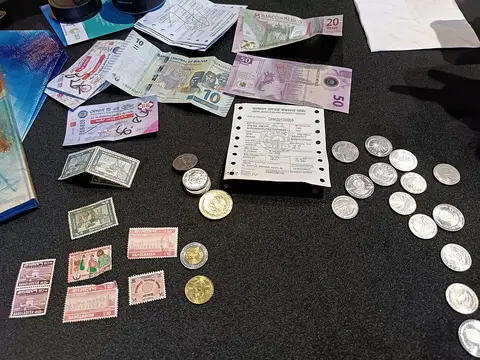 ComparisonPaying Abroad: Cash vs Credit Card vs Travel Money Card — What's Cheapest?How exchange rates and card fees really work abroad, when cash still matters, and how to…