Comparison
Paying Abroad: Cash vs Credit Card vs Travel Money Card — What's Cheapest?
How exchange rates and card fees really work abroad, when cash still matters, and how to avoid dynamic currency conversion, the most common overpayment.
Published · Updated
The three options at a glance
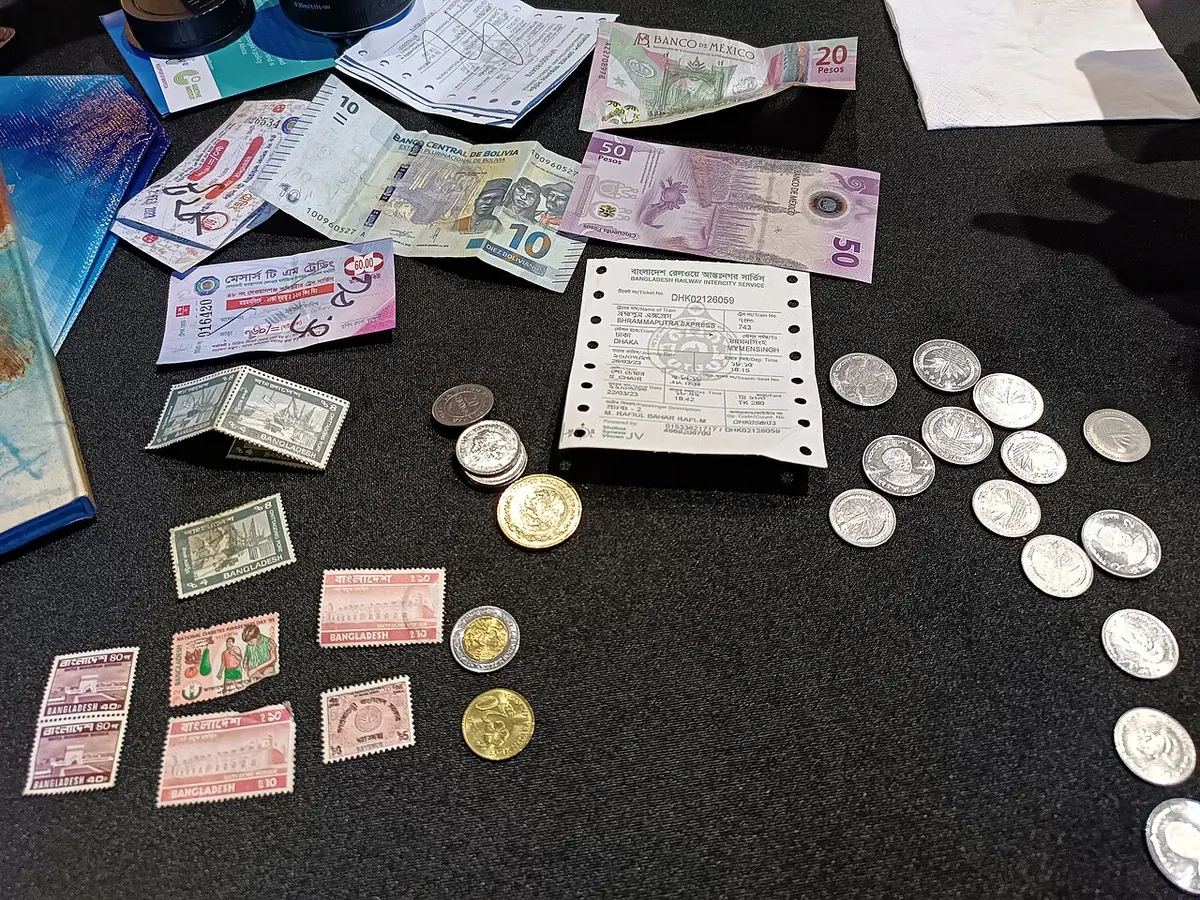
Travellers usually pay in one of three ways: foreign cash exchanged before or after arrival, the credit or debit card you use at home, or a prepaid multi-currency travel card or fintech debit card that you top up in foreign currencies. Mixing two or three of these is usually both the safest and the cheapest approach.
The right mix depends on where you go and how you travel. Think about how card-friendly your destination is, whether you'll spend time at markets and street stalls that only take cash, and how long you'll be away.
- Cash: accepted everywhere and easy to budget. Gone if lost, and leftover notes cost you to change back
- Your usual card: nothing to prepare and can be frozen if lost. Often carries foreign transaction fees
- Travel money card: many have no or low foreign transaction fees and good rates. Needs an app and topping up in advance
Where the fees hide
Exchanging cash means buying currency at a bank or bureau rate that is worse than the mid-market rate. Major currencies usually get better rates than less common ones, and airport and hotel counters are typically the most expensive places to change money.
Paying abroad with your usual credit or debit card typically adds two charges: a fee from the international card network and your card issuer's own overseas service fee. Rates differ by issuer and product, so check your card's official terms before you go rather than assuming.
Travel money cards and fintech debit cards often convert at or near the mid-market rate with low or no fees. Free ATM withdrawal allowances and top-up rules differ between providers, so read the conditions in the app first.
The biggest avoidable cost: dynamic currency conversion
When you pay by card abroad, the terminal or the cashier may ask whether you want to pay in your home currency or the local currency. Choosing your home currency is called dynamic currency conversion (DCC). It feels convenient, but according to Korea's Financial Supervisory Service it typically adds about 3-8% in fees compared with paying in local currency.
The rule is simple: always pay in the local currency. If your receipt shows an amount in your home currency, DCC was applied. You can ask the merchant to cancel and charge again in local currency.
Some banks and card apps let you block DCC or warn you about it. Check your settings before departure.
- Terminal shows both your home and local currency → choose local
- ATM offers 'with conversion' → choose 'without conversion'
- Online bookings abroad → pay in the local currency when you can
How much cash do you actually need?
In card-friendly places such as much of Europe, Singapore and Australia, a small amount for transit top-ups and tiny shops is often enough. In contrast, some small restaurants and shrines in Japan, and many markets, street stalls and taxis in Southeast Asia, still take cash only.
A practical approach is to arrive with enough local cash for your first transport and meal, then use cards and local ATMs for the rest. Don't carry everything at once; split cash between your wallet and the hotel safe.
Using ATMs abroad
With a travel card or a debit card that allows foreign withdrawals, you can take out only what you need at local ATMs. This avoids exchange counters and means carrying less cash.
Some countries' ATM operators add their own withdrawal fee. Prefer ATMs inside bank branches or shopping malls; standalone machines at airports and tourist spots can charge more, so read the fee on screen before continuing.
- Fees are often per withdrawal, so take out what you need in one go rather than many small amounts
- Most foreign ATMs expect a 4-digit PIN; check with your bank if yours is longer
- Skip any machine with loose or unusual parts attached to the card slot
Suggested combinations
One method alone rarely wins. Pick a combination that fits your trip.
- Japan, 3-5 days: travel card as main + about 20,000-30,000 yen cash
- Southeast Asia: a little local cash + ATM withdrawals with a travel card; cash for markets and taxis
- Europe: mostly contactless card, only a little cash
- Travellers who dislike apps: one well-known credit card + more cash
- Always: at least two cards on different networks, so one blocked card doesn't stop you
FAQ
Is a credit card or a debit card better abroad?
Fees are often similar. Credit cards are frequently required for hotel and car rental deposits, while debit and travel cards make budgeting easier. Bring both.
What should I do with leftover foreign cash?
Changing it back loses money on the rate. Keep it for your next trip if you'll return, or check whether your travel card lets you hold the balance for later.
Will I still get card alerts abroad?
App notifications work over data. For SMS alerts, keep your home line active; if you use a travel eSIM, just turn off data roaming on your home line.
What if my card is lost or stolen?
Freeze it in your bank's app straight away and call your bank's international lost-card number. Save that number before you leave.
Related reading
 ComparisonWhere to travel in November — cities with good weather and places to think twice aboutNovember mixes crisp autumn cities with the start of the dry season on some Southeast…
 ComparisonAirport to City: Train, Bus, Taxi or Transfer? A Practical ComparisonCompare the five ways to get from the airport into town, with tips for late-night…
 ComparisoneSIM vs Pocket Wi-Fi vs Roaming vs Local SIM: Which Travel Data Option Wins?Compare the four ways to get mobile data abroad by cost, setup and trade-offs, plus how…