Tips · South Korea
Gangneung and Sokcho: winter sea or summer sea?
Summer to swim in the official season; winter for sunrise and drier walks. Gangneung and Sokcho normals, Korea Meteorological Administration, 1991–2020.

Published
Short answer: summer to swim, winter for sunrise and seaside walks
In both Gangneung and Sokcho, swimming is allowed only during each beach's official summer season. If you want to get in the water, go in summer. Dates change every year, so check the Gangneung and Sokcho city tourism sites.
For sunrise and seaside walks, winter works well too. December-February rainfall is about 36.9 mm, about 47.9 mm and about 48 mm in Gangneung and about 40.1 mm, about 43.5 mm and about 45.9 mm in Sokcho, far less than July-August (Gangneung about 250.2 mm and about 292.9 mm, Sokcho about 265.6 mm and about 298 mm). But average lows in both cities are below zero in December-February.
- Swimming: summer, only during each beach's official season
- Sunrise and seaside walks: winter works too (dry but cold)
- Wettest month: August in both cities
- In winter Sokcho is a little colder than Gangneung
Which numbers we used
The temperatures and rainfall here are the Korea Meteorological Administration 30-year normals for 1991–2020 at Gangneung station and Sokcho station: average high, average low and monthly rainfall. Temperatures are in °C and rainfall in mm.
Normals are long-term averages, so they don't tell you this year's weather. Check the forecast just before you go. This article does not cover sea temperatures.
Winter (December-February) normals side by side
Korea Meteorological Administration, 1991–2020. Each line shows average high / average low / rainfall. In all three months Sokcho is a little colder than Gangneung; in January, the coldest month, the average low is about -2.7°C in Gangneung and about -3.8°C in Sokcho.
- December: Gangneung high about 7.7°C / low about -0.5°C / about 36.9 mm · Sokcho high about 6.6°C / low about -1.5°C / about 40.1 mm
- January: Gangneung high about 5.3°C / low about -2.7°C / about 47.9 mm · Sokcho high about 4.2°C / low about -3.8°C / about 43.5 mm
- February: Gangneung high about 7.1°C / low about -1.3°C / about 48 mm · Sokcho high about 6°C / low about -2.2°C / about 45.9 mm
Summer (June-August) normals side by side
Same source and period. In summer Gangneung is a little warmer than Sokcho. August is the wettest month of the year in both, with about 292.9 mm in Gangneung and about 298 mm in Sokcho. June gets far less, about 118.5 mm in Gangneung and about 119.5 mm in Sokcho.
- June: Gangneung high about 25.4°C / low about 17.5°C / about 118.5 mm · Sokcho high about 23.5°C / low about 16.5°C / about 119.5 mm
- July: Gangneung high about 28.1°C / low about 21.6°C / about 250.2 mm · Sokcho high about 26.7°C / low about 20.6°C / about 265.6 mm
- August: Gangneung high about 28.6°C / low about 21.9°C / about 292.9 mm · Sokcho high about 27.5°C / low about 21.2°C / about 298 mm
The winter sea: sunrise and snow
Jeongdongjin in Gangneung is a famous New Year sunrise spot. Jeongdongjin Station is in the Guinness book as the train station closest to the sea in the world, and the beach is about a 3-minute walk away. It is about 14 minutes from Gangneung Station by KTX-Eum, but there are few trains, so check times.
In Sokcho, Yeonggeumjeong is a popular spot for sunrise and sunset, and the Daepo Port Observatory on the hill behind Daepo Port is a sunrise spot too. Seoraksan has winter snow scenery. The Seorak Cable Car may stop in strong wind or bad weather, and some trails close during restricted-entry periods, so check the Korea National Park Service site (knps.or.kr).
In Gangneung accommodation is most of the budget, so for sunrise dates compare prices for your dates on booking sites early. The Sokcho gaetbae ferry runs 05:30–22:30 from November to April (may change with the weather).
- January: Gangneung high about 5.3°C / low about -2.7°C / about 47.9 mm · Sokcho high about 4.2°C / low about -3.8°C / about 43.5 mm
- Jeongdongjin: New Year sunrise spot, beach about 3 minutes' walk from the station
- Yeonggeumjeong and Daepo Port Observatory: Sokcho sunrise spots
- Seorak Cable Car: may stop in strong wind or bad weather
- Gangneung hotels on sunrise dates: compare prices early
The summer sea: swim only during the official season
Gangneung's Gyeongpo Beach is called the largest beach on the east coast, with 1.8 km of white sand backed by 4 km of pine forest, and showers (KRW 3,500) in swimming season. Climb Gyeongpodae Pavilion, 1 km from the beach, to see Gyeongpo Lake and the sea together. Sokcho Beach is a 5-minute walk from the Express Bus Terminal, and its sand stretches 940 m.
Swimming is allowed only during each beach's official season. There are no lifeguards before the season opens or at night, so you can't go in the water then. Season dates change every year, so check official information.
In Sokcho, mulhoe, made from fresh live fish and served with ice, is a summer favourite. For the summer holidays, compare hotel prices for your dates early in both cities, and book KTX-Eum Donghae Line tickets ahead on Korail Talk, as they sell out fast in the summer holidays.

- August: Gangneung high about 28.6°C / low about 21.9°C / about 292.9 mm · Sokcho high about 27.5°C / low about 21.2°C / about 298 mm
- Gyeongpo Beach: 1.8 km of white sand; showers KRW 3,500 in swimming season
- Sokcho Beach: 5-minute walk from the Express Bus Terminal, 940 m of sand
- Swimming: only during the official season; not before it opens or at night
- Summer holidays: compare hotel prices, book KTX-Eum ahead
How to choose, plus our 2-day routes
If you want to get in the water, go in summer; if you want less rain and a sunrise, go in winter. July-August is wet, so pack an umbrella and a change of clothes.
In Gangneung the City (SEA TEA) Bus runs about 23 km along the coast from Anmok Beach to Jumunjin Beach. Gangneung City says it runs daily from 08:00 every 40 minutes; service can change during events, so check notices on the bus information system.
Our 2-day routes for both cities are below. For Seoraksan's autumn leaves, see the October article too.
- Swimming: summer (check the official season)
- Sunrise and seaside walks: winter (dress warmly)
- Check the forecast just before you leave
Plan your Gangneung trip
We never take payment — compare, then book on the official partner site.
Plan your Sokcho trip
We never take payment — compare, then book on the official partner site.
FAQ
Is it worth visiting the Gangneung or Sokcho sea in winter?
Yes, for sunrise and seaside walks. December-February rainfall is low: about 36.9 mm to about 48 mm in Gangneung and about 40.1 mm to about 45.9 mm in Sokcho. Average lows are below zero, so dress warmly (Korea Meteorological Administration, 1991–2020).
When can you swim in Gangneung and Sokcho?
Only during each beach's official summer season. There are no lifeguards before the season opens or at night, so you can't go in then. Dates change every year, so check the city tourism sites.
Which is colder in winter, Gangneung or Sokcho?
Sokcho, slightly, by the normals. The January average low is about -2.7°C in Gangneung and about -3.8°C in Sokcho, and the average high is about 5.3°C and about 4.2°C.
Where do the numbers come from?
Korea Meteorological Administration 30-year normals for 1991–2020 at Gangneung station and Sokcho station. They are long-term averages, so check the forecast before you go.
Related reading
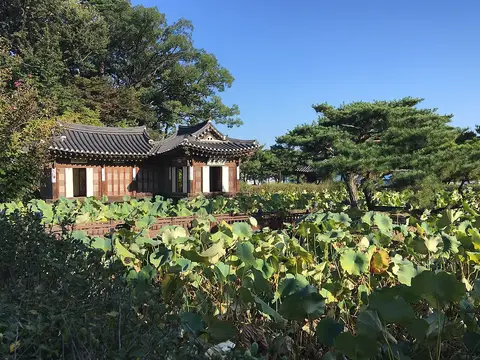 Itinerary · South KoreaGangneung in 2 days by KTXGangneung is about 2 hours from Seoul Station by KTX. A 2-day route: Ojukheon,…
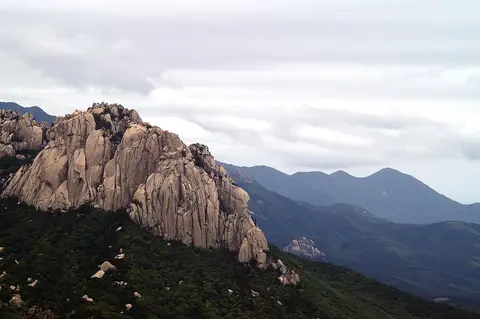 Itinerary · South KoreaSokcho and Seoraksan in 2 daysA 2-day Sokcho route: Seoraksan and the Gwongeumseong cable car on day 1, the gaetbae,…ComparisonWhere to travel in October — autumn leaves and mountains, cities at their autumn best, and places entering the dry seasonOctober picks — autumn leaves in Sapporo, Seoraksan and Aso; Toronto, Madrid, Budapest;…