Itinerary · Italy
How Many Days in Rome? A 4-Day Route and How to Get Around
Rome suits 3 to 4 nights. Airport to city, then a day each for ancient Rome, the Vatican, the squares and the outskirts, plus bookings, budget and timing.

Published
How many days does Rome need? The big picture and where to stay
Rome suits 3 to 4 nights. This plan follows the guide's 4-day route: ancient Rome and the Colosseum on day 1, the Vatican on day 2, a walk of squares from the Pantheon to the Spanish Steps on day 3, and a market plus sites outside the center on day 4. The Colosseum, Pantheon, Trevi Fountain and Piazza Navona are all walkable from one another, and the cobblestones make comfortable shoes essential.
Pick a base that fits the route. Centro Storico (Pantheon & Navona) suits first-timers who want to walk everywhere, though hotels are pricey and rooms small. Monti, beside the Colosseum and close to Metro B, has atmosphere. Trastevere is for local vibe and dinners, but can be noisy late at night. Around Termini offers value and airport and rail links, though the station area can feel rough at night. Prati, near the Vatican and served by Metro A, is quieter.
Arrival: from Fiumicino or Ciampino into the city
On a 4-day trip, arrival day is part of the plan. If you land late, stretching to 4 nights and using the first day only for getting in and resting is one option. From Fiumicino (FCO), the Leonardo Express runs non-stop to Roma Termini and is the easiest choice if you are staying near Termini.
Never accept rides from touts. Pickpockets target Termini, so secure your bags and wallet as soon as you arrive.
- Leonardo Express (FCO to Roma Termini): ~32 min, about €14
- Official white taxi, flat fare (FCO to the historic center inside the Aurelian Walls): ~40-60 min, about €55 flat
- Airport buses (Fiumicino and Ciampino to Termini): ~40-70 min, about €6-8; the cheapest option, but travel time varies a lot with traffic
- Ciampino (CIA) flat-rate taxi: ~30-45 min, about €40 flat; there is no train station at the terminal, so it is easiest with luggage
Day 1: Colosseum, Roman Forum and Palatine Hill, Monti
Start at the Colosseum in the morning, then continue to the Roman Forum and Palatine Hill. One combined ticket covers all three, and timed booking is practically required, so book once your dates are set. Shade is scarce, so bring water and a hat. Metro Lines B and C serve the Colosseum.
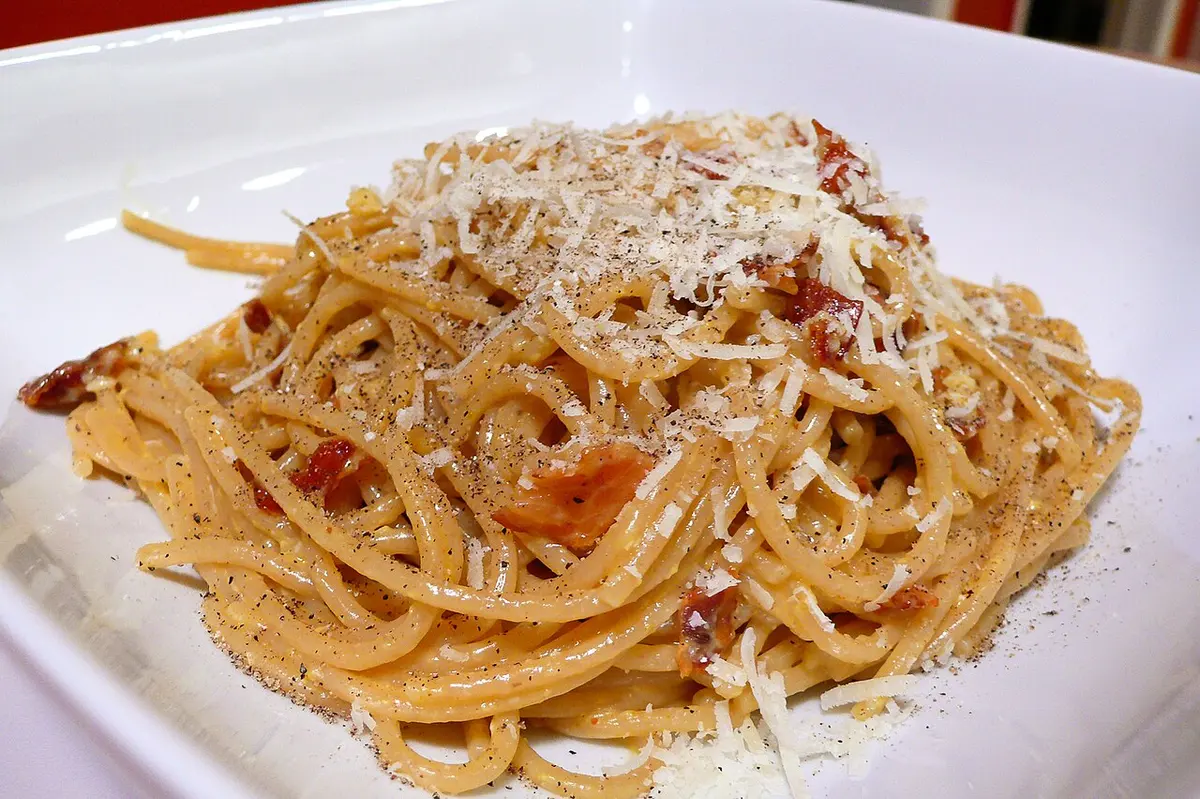
Have lunch in Monti, the village-like neighborhood beside the Colosseum, see Piazza Venezia, then end the day with an evening wander through Monti's lanes. Rome's signature pastas, cacio e pepe and carbonara, cost about €12-16 at a trattoria. A "coperto" (cover charge) on the bill is legal and normal; tipping is not required, and small change for good service is enough.
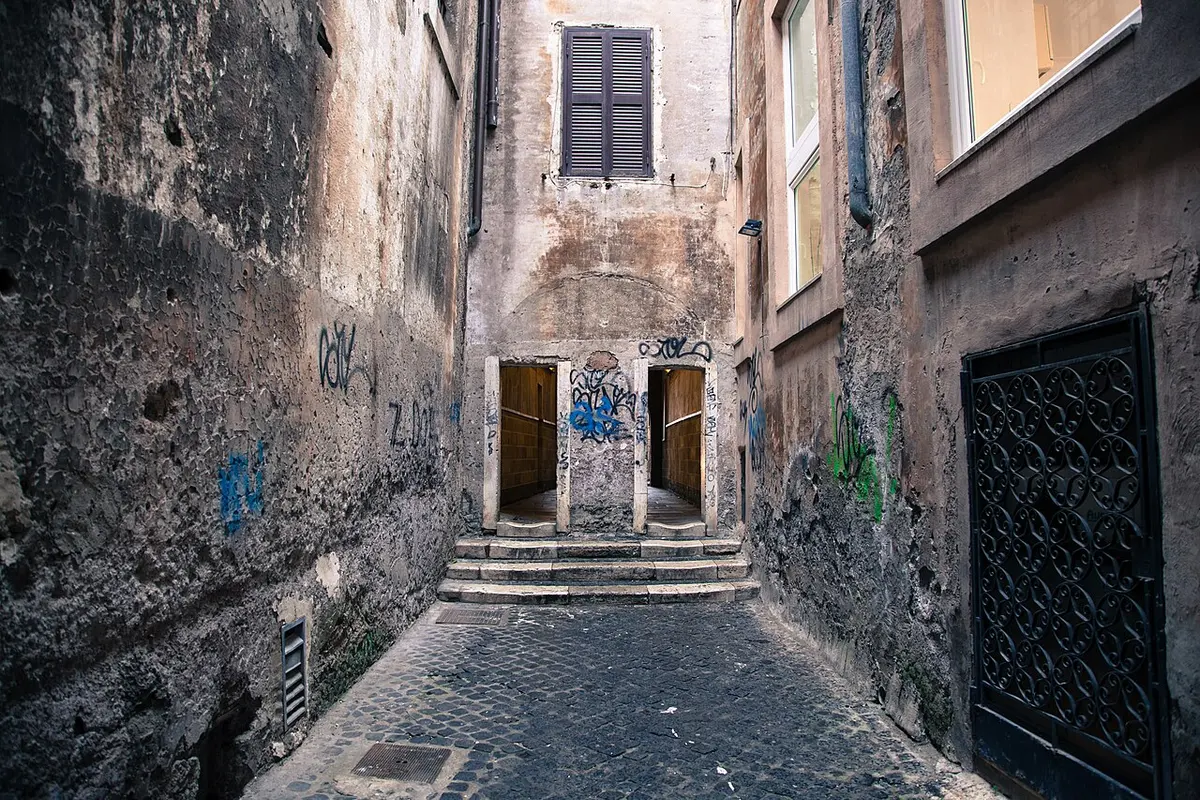
Day 2: Vatican Museums, St. Peter's, Castel Sant'Angelo, Trastevere
Take Metro Line A to Ottaviano for the Vatican. The Vatican Museums and Sistine Chapel must be booked ahead, and going right at opening is calmer. They are usually closed on Sundays, so make sure this day doesn't fall on one. Photography is banned in the Sistine Chapel.
St. Peter's Basilica is free to enter, but security lines are long. Shoulders and knees must be covered, so carry a light scarf or wear long trousers. The dome climb is paid.
Next, see Castel Sant'Angelo and cross the Tiber for dinner in Trastevere, with its ivy-covered lanes full of trattorias. The metro doesn't reach it, so if you take a bus or tram, validate paper tickets on boarding and watch for pickpockets on crowded buses.

Day 3: Pantheon, Piazza Navona, Trevi Fountain, Spanish Steps, Borghese
Day three begins at the Pantheon, which now has a small entry fee. The Pantheon, Piazza Navona and Trevi Fountain are walkable from one another, and Piazza Navona and the Spanish Steps are iconic free squares.
The Trevi Fountain is extremely crowded by day, so early morning or late at night is best. If the route brings you past at midday, view it from outside and come back early or late. Non-residents need a small-fee ticket for the area right by the basin (check official info for price and hours); viewing from outside is free. Pickpockets work the area, so politely refuse people offering photos, roses or bracelets.
Sitting or eating on the Spanish Steps, served by Metro Line A, is prohibited. Spend a relaxed afternoon at the Borghese Gallery and Gardens; this small gallery of Bernini sculptures and Caravaggio paintings requires a timed reservation.
Day 4: Campo de' Fiori market, then the outskirts or a day trip
Start the last day browsing the Campo de' Fiori market, then visit the Appian Way or the Baths of Caracalla, or take a train for a day trip to a nearby town. For a quick lunch, try pizza al taglio sold by weight (about €3-6) or supplì, fried tomato risotto balls with a mozzarella center (about €2-3 each).
If you fly out that day, plan the airport run first: the Leonardo Express links Termini and Fiumicino in about 32 minutes, and a flat-rate taxi to Ciampino takes about 30-45 minutes.
With 4 nights, split day 4 into two days, one for the sites outside the center and one for a train day trip, so nothing feels rushed.
Before you go: transport, budget, city tax and timing
The metro network is limited but handy for the Vatican (Ottaviano, Line A), the Spanish Steps (Line A) and the Colosseum (Lines B and C). A single ticket is about €1.50, valid 100 minutes. Tap a contactless card or phone at metro gates and bus validators to ride. For taxis, use ranks or official taxi apps rather than hailing, and make sure the meter is running.
Per day, budget about €70-90 for hostels, pizza al taglio, supplì and walking; about €170-250 for a mid-range hotel, trattoria meals and one or two paid sights; and about €450+ for a luxury hotel, fine dining and guided tours. Hotels usually collect a city tax per person per night, often paid separately on site. Cards are widely accepted, but keep a little cash for small bars and shops.
April to June and September to October are the most comfortable. July and August have average highs of about 30°C (coastal airport station), and hot days can top 35°C, making midday sightseeing tough. Easter and major Catholic events bring huge crowds around the Vatican. Water from the public "nasone" fountains is safe to drink, so carry a refillable bottle in summer.

- April: average high 19°C, low 8°C, rainfall about 47 mm
- May: high 23°C, low 12°C, about 37 mm
- June: high 27°C, low 16°C, about 19 mm
- July-August: highs about 30°C, lows about 18-19°C
- September: high 26°C, low 16°C, about 60 mm
- October: high 22°C, low 12°C, about 90 mm
- Temperature and rainfall: Italian Air Force Meteorological Service submission · WMO normals collection (NOAA NCEI), Rome Fiumicino Airport station, 1991–2020 normals
- Check entry requirements with official sources before you travel
Plan your Rome trip
We never take payment — compare, then book on the official partner site.
FAQ
How many days do I need in Rome?
3 to 4 nights works well. With 4 days you get a day each for ancient Rome, the Vatican, the squares, and a market plus the outskirts; with 5 days you can split the outskirts and a day trip.
How do I get from Fiumicino Airport to the city?
The Leonardo Express runs non-stop to Roma Termini in about 32 minutes for about €14. Official white taxis charge about €55 flat to the historic center inside the walls, and airport buses are the cheapest at about €6-8.
What should I book ahead?
The Vatican Museums and Sistine Chapel must be booked, the Borghese Gallery needs a timed reservation, and timed booking is practically required for the Colosseum, Roman Forum and Palatine Hill combined ticket. For the Trevi Fountain basin-area ticket, check official info for price and hours.
Is summer a good time to visit?
July and August have average highs of about 30°C (coastal airport station), and hot days can top 35°C, making midday sightseeing tough. If you go then, see the shade-poor Colosseum in the morning and bring water and a hat.
Related reading
 Comparison · United KingdomChoosing Your First European City: London, Paris, Rome, Madrid or Barcelona?First trip to Europe — where should you start? We compare London, Paris, Rome, Madrid…
 ComparisonAirport to City: Train, Bus, Taxi or Transfer? A Practical ComparisonCompare the five ways to get from the airport into town, with tips for late-night…
 SafetyHow to Avoid Taxi Scams Abroad: Riding Taxis and Ride-Hailing Apps SafelyHow to avoid overcharging, detours and change tricks at airports and tourist spots, use…