Tips · South Korea
Renting a Car in Jeju: Is It Worth It, and What to Prepare
When a rental car makes sense in Jeju and when to skip it: licences, driving side, narrow windy coast roads, one-direction day drives and a pick-up checklist.

Published
The short answer: rent a car to see the island, skip it for a Jeju City stay
Jeju's sights are spread across the whole island: Seongsan Ilchulbong in the east, Hyeopjae Beach in the west, the Daepo Jusangjeolli Cliffs at Jungmun and Hallasan in the middle. That is why our guide calls a rental car the most common and most convenient way to explore. Cars are collected near the airport, and from there it is about 10-20 minutes to Jeju City and about 1 hour to Seogwipo.
If you are staying in Jeju City and mostly visiting Dongmun Market and local restaurants, you don't really need one. A taxi from the airport to old Jeju City takes about 10-15 minutes and costs about 5,000-10,000 won. For Jungmun and Seogwipo, airport limousine bus 600 and express buses take about 1 hour to 1 hour 30 minutes, at about 2,000-6,000 won depending on route and distance.
If you want to see the island but would rather not drive, a full-day taxi tour with a driver is another option. And on a day spent walking one Olle trail section along the coast and villages, you won't miss a car.
- A car makes sense if you split east, west and south over several days, or want sunrise at Seongsan Ilchulbong
- You can skip it if you stay in Jeju City and keep to town, or use taxi tours and buses instead
- Going by bus: village services can be infrequent, so check timetables first
Licences and driving side: check the official rules first
South Korea drives on the right. If you come from a country that drives on the left, take the first day slowly, especially at junctions and when turning.
Foreign visitors need a valid licence accepted in Korea (such as an International Driving Permit). Which licences are accepted can change, so check the official rules before you travel, and confirm with your rental booking as well.
Separately from driving, Jeju visa-free entry and K-ETA rules change often, so check official Korean government information before you travel.
What to watch on Jeju's roads: narrow coast roads, strong wind, weekend traffic
The first thing our guide flags is the coastal roads. They are narrow and often windy, so slow down even while you enjoy the view. If you park by the shore and walk out, beware of high waves.
The west coast around Aewol and Hyeopjae, with its beaches and seaside cafes, gets weekend traffic in peak season. Rental cars also sell out in peak season (July-August) and on weekends, so book ahead.
Country restaurants may close early or have days off. Decide where dinner will be at the end of each day's drive and set off a little early, so you are not hunting along unfamiliar roads late at night. If you plan to drink with your black pork barbecue, leave the car at your accommodation that evening: never drink and drive.
- Coastal roads: narrow and often windy, so drive slowly
- West (Aewol, Hyeopjae): weekend traffic in peak season
- Country restaurants: may close early, so eat a little early
- Drink-driving: never
One direction a day: sample west, east and south drives
Our guide's key tip is to group each day by direction (east, west, south). Trying to circle the whole island in a day mostly adds driving time. These samples group the sights from the guide's itinerary by direction.
On a west day, pick up the car at the airport, drive the Aewol coast to Hyeopjae Beach, then head back to Dongmun Market in Jeju City for the evening. Hyeopjae has clear emerald water facing little Biyangdo island; swim only in lifeguarded areas during the season.
An east day starts early at Seongsan Ilchulbong. The climb takes about 20-40 minutes, and it is closed the first Monday of each month. Then take the roughly 15-minute ferry from Seongsan or Jongdal port to Udo, and add Manjanggul Lava Tube in the afternoon (check official info for opening status and the open section). A south day can combine the Daepo Jusangjeolli Cliffs, Cheonjiyeon Waterfall and one Olle trail section near Seogwipo.

- West: airport, Aewol coast, Hyeopjae Beach, Dongmun Market in Jeju City
- East: Seongsan Ilchulbong sunrise (closed the first Monday of the month), ferry to Udo, Manjanggul (check it's open)
- South: Daepo Jusangjeolli Cliffs, Cheonjiyeon Waterfall, one Olle trail section near Seogwipo
Udo and Hallasan: ferries and reservations come before the car
Even with a car, your plans don't depend on the car alone. Smaller islands such as Udo and Marado are reached by boat from the port, and strong winds often cancel sailings. Check the ferry on the morning of your east day, and keep a backup such as Manjanggul or a drive along the east coast in case it doesn't run.
Summit (Baengnokdam) hikes on Hallasan via Seongpanak or Gwaneumsa need advance reservations, and closures and entry cut-off times change. Even if you drive to the trailhead, check reservations and entry times in official information first, and be down before dark.
Winter is windy and Hallasan is snowy, so hikers need proper gear. If you plan to drive up towards the mountain, check official information for closures before you set off.

Checklist before you collect the car at the airport
Most Jeju trips start by picking up a car near the airport. Run through the points below and pick-up goes much more smoothly. General rental topics such as insurance, deposits and fuel policies are covered in our separate rental checklist.
For budget, our guide puts a mid-range day (hotel, shared rental car, restaurant meals) at about 180,000-250,000 won per person. Sharing one car between several people lowers the cost. Rental prices vary by car, dates and insurance.
- Booking: cars sell out in peak season and on weekends, so book early
- Insurance: check the cover when you book and again at pick-up
- Licence: foreign drivers need a valid licence accepted in Korea (such as an IDP); check official rules
- Car condition: photograph the outside of the car at pick-up
- Fuel and return: confirm the fuel policy and return place and time at pick-up
- First drive: airport to Jeju City about 10-20 min, to Seogwipo about 1 hr
- Driving: slow on coastal roads, never drink and drive
Plan your Jeju trip
We never take payment — compare, then book on the official partner site.
FAQ
Is Jeju hard to visit without a rental car?
Sights are spread around the island, so a car is the most convenient option. If you stay in Jeju City and keep to town, or use buses and taxi tours, you can manage without one; check bus timetables first, as services can be infrequent.
Can foreign visitors drive in Jeju?
You need a valid licence accepted in Korea (such as an International Driving Permit). The accepted licences can change, so check the official rules before you travel.
Can I see the east and west of the island in one day?
You can, but you will spend most of the day driving. Grouping each day by direction (east, west, south) cuts driving time: for example, Aewol and Hyeopjae one day, Seongsan Ilchulbong and Udo another.
How long is the drive from the airport to Seogwipo?
About 1 hour, according to our guide. Jeju City is only about 10-20 minutes away, so staying there on your first and last nights makes airport trips easy.
Related reading
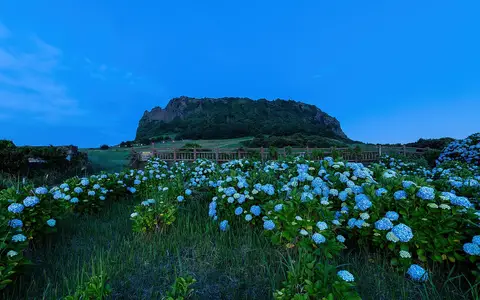 Itinerary · South KoreaJeju in 3 Days: Should You Split East and West?Jeju's sights are spread out, so cover one direction a day: a 3-day east/west plan, car…
 TipsRenting a Car Abroad for the First Time: A Practical ChecklistLicences, card deposits, CDW and excess, fuel, pickup photos, tolls and returns for…TipsWhich Side of the Road? Driving Side by Country, Crossing Streets and Renting a CarLeft or right? The driving side by country and region, which way to look first when…