Tips · South Korea
Which month is best for Jeju? Monthly highs, lows and rain from the climate normals
April-June and September-November are best, and April, May, October and November are drier. Korea Meteorological Administration normals, 1991–2020.

Published
Short answer: April-June and September-November; April, May, October and November for less rain
The Jeju guide names April-June and September-November as the best weather. July-August is peak season, crowded, with rainy spells and possible typhoons. Winter is windy and Hallasan is snowy, but it is tangerine season.
The normals show differences inside the good seasons. Rainfall is about 89.7 mm in April, about 95.6 mm in May, about 95.1 mm in October and about 69.5 mm in November, but about 171.2 mm in June and about 227.8 mm in September. If you want less rain, look at April-May or October-November first.
- Best time in the guide: April-June, September-November
- Drier months within those seasons: April, May, October, November
- Wettest month: August (about 272.3 mm)
- July-August: peak season, rainy spells and possible typhoons
- December-February: windy, snow on Hallasan, tangerine season
Which numbers we used
The temperatures and rainfall here are the Korea Meteorological Administration 30-year normals for 1991–2020 at Jeju station: average high, average low and monthly rainfall. Temperatures are in °C and rainfall in mm.
Normals are long-term averages, so they don't tell you this year's weather. The guide notes that Jungmun and Seogwipo, on the south side of Hallasan, are a little warmer in winter. Check the forecast just before you go.
January-June normals
Korea Meteorological Administration, 1991–2020, Jeju station. Each line shows average high / average low / rainfall. January is the coldest month.
- January: high about 8.6°C / low about 3.7°C / about 67.5 mm
- February: high about 9.9°C / low about 4°C / about 57.2 mm
- March: high about 13.3°C / low about 6.6°C / about 90.6 mm
- April: high about 18°C / low about 10.8°C / about 89.7 mm
- May: high about 22.1°C / low about 15°C / about 95.6 mm
- June: high about 24.9°C / low about 19.1°C / about 171.2 mm
July-December normals
Same source and period. August is the hottest month, with an average high of about 30.1°C, and the wettest, with about 272.3 mm.
- July: high about 29.3°C / low about 23.7°C / about 210.2 mm
- August: high about 30.1°C / low about 24.8°C / about 272.3 mm
- September: high about 26.1°C / low about 20.9°C / about 227.8 mm
- October: high about 21.6°C / low about 15.7°C / about 95.1 mm
- November: high about 16.4°C / low about 10.4°C / about 69.5 mm
- December: high about 11°C / low about 5.6°C / about 55.6 mm
Spring (April-June) and autumn (September-November): the best time
Average highs rise from about 18°C to about 22.1°C and about 24.9°C in April-June, and fall from about 26.1°C to about 21.6°C and about 16.4°C in September-November. June and September get about 171.2 mm and about 227.8 mm of rain, so pack an umbrella.
It is a good time for outdoor plans such as an early start at Seongsan Ilchulbong, the ferry to Udo or one section of an Olle trail. Seongsan Ilchulbong closes on the first Monday of each month and its hours vary by season. Udo ferries stop in strong wind, so check on the day.
Hallasan summit (Baengnokdam) hikes via Seongpanak or Gwaneumsa need advance reservations, and closures and entry cut-off times change, so check official information. For Manjanggul, check official information for opening status, the open section and fees.
- May: high about 22.1°C / low about 15°C / about 95.6 mm
- October: high about 21.6°C / low about 15.7°C / about 95.1 mm
- Seongsan Ilchulbong: closed the first Monday of each month; hours vary by season (check official info)
- Udo ferry: cancelled in strong wind; check on the day
- Hallasan summit: advance reservation; check entry times officially
Summer (July-August): great sea, but crowded and wet
July and August have average highs of about 29.3°C and about 30.1°C and lows of about 23.7°C and about 24.8°C, the hottest of the year. Rainfall is high too, at about 210.2 mm and about 272.3 mm, and the guide warns of rainy spells and possible typhoons.
Hyeopjae Beach has clear emerald water facing little Biyangdo island. Swim only in lifeguarded areas during the season. It is peak season and crowded, and the Aewol and Hyeopjae area has weekend traffic.
Rental cars sell out in peak season and on weekends, so book ahead and check the insurance terms.

- July: high about 29.3°C / low about 23.7°C / about 210.2 mm
- August: high about 30.1°C / low about 24.8°C / about 272.3 mm
- Hyeopjae Beach: swim only in lifeguarded areas during the season
- Rental cars: book early for peak season and weekends
Winter (December-February): little rain, strong wind
December-February are the three driest months, with about 55.6 mm in December, about 67.5 mm in January and about 57.2 mm in February. Average highs are about 11°C, about 8.6°C and about 9.9°C, and average lows about 5.6°C, about 3.7°C and about 4°C.
But it is windy, and Hallasan is snowy, so bring proper hiking gear. Strong winds often cancel ferries to Udo and Marado, so check on the day, and beware of high waves on the coast.
Winter is tangerine season, and Jungmun and Seogwipo, on the south side of Hallasan, are a little warmer. Dongmun Market in Jeju City sells tangerines, and omegi rice cakes make a good gift.

- January: high about 8.6°C / low about 3.7°C / about 67.5 mm
- Hallasan: snowy; bring proper gear
- Udo and Marado ferries: often cancelled; check on the day
- Jungmun and Seogwipo: a little warmer in winter
Plan your Jeju trip
We never take payment — compare, then book on the official partner site.
FAQ
What is the best month to visit Jeju?
The guide names April-June and September-November. Of those, the drier months by the normals are April (about 89.7 mm), May (about 95.6 mm), October (about 95.1 mm) and November (about 69.5 mm) (Korea Meteorological Administration, 1991–2020, Jeju station).
What is the wettest month in Jeju?
By the normals, August (about 272.3 mm), then September (about 227.8 mm) and July (about 210.2 mm). July-August can bring rainy spells and typhoons.
What is Jeju like in winter?
December-February get the least rain, about 55.6 mm to about 67.5 mm a month, but it is windy and Hallasan is snowy. The January average low is about 3.7°C. Check Udo and Marado ferries on the day.
Where do the numbers come from?
Korea Meteorological Administration 30-year normals for 1991–2020 at Jeju station. They are long-term averages, so check the forecast before you go.
Related reading
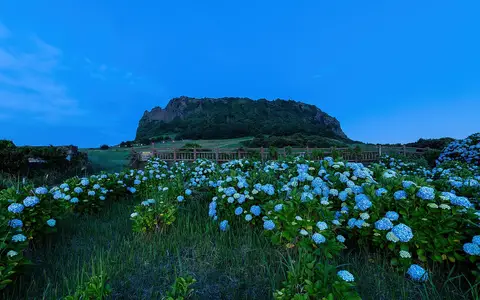 Itinerary · South KoreaJeju in 3 Days: Should You Split East and West?Jeju's sights are spread out, so cover one direction a day: a 3-day east/west plan, car…
 ComparisonWhere to travel in May — dry-season islands, late-spring Europe and seaside cities close to homeEight May picks — dry-season islands, late-spring Europe and nearby seaside cities —…
 ComparisonWhere to travel in July — cool Hokkaido, dry-season beaches, and mountains and cities at their summer bestEight July picks — cool Hokkaido, dry-season beaches, the Alps, Mongolia and North…